Guides · Updated · 8 min read
Recipe copyright in Canada: what you can copy from a cookbook, and what you can share
What the Copyright Act protects in a recipe and what it does not, with the sections and the cases: the ingredients and the bare method are free, the author’s prose and photos are not, and what you may do depends on who else sees your copy. Not legal advice.

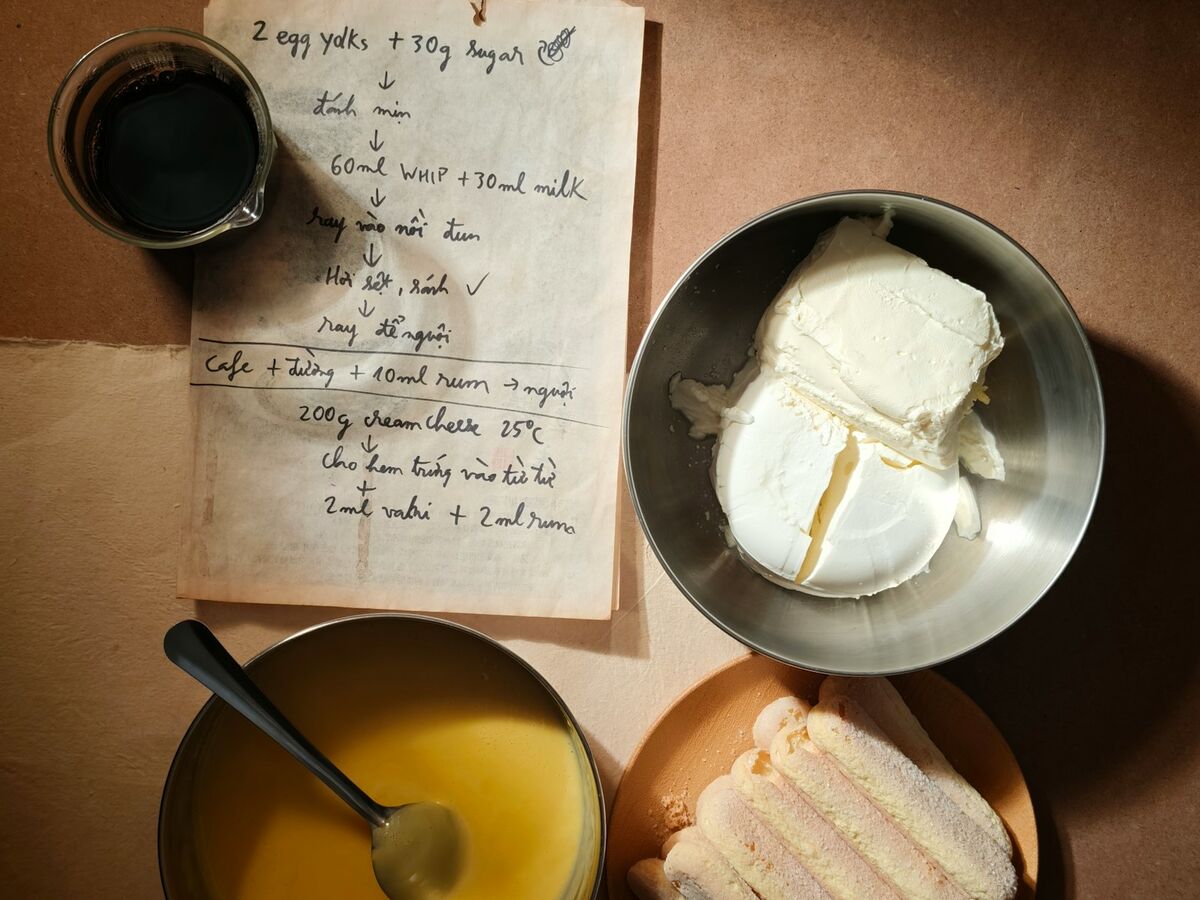
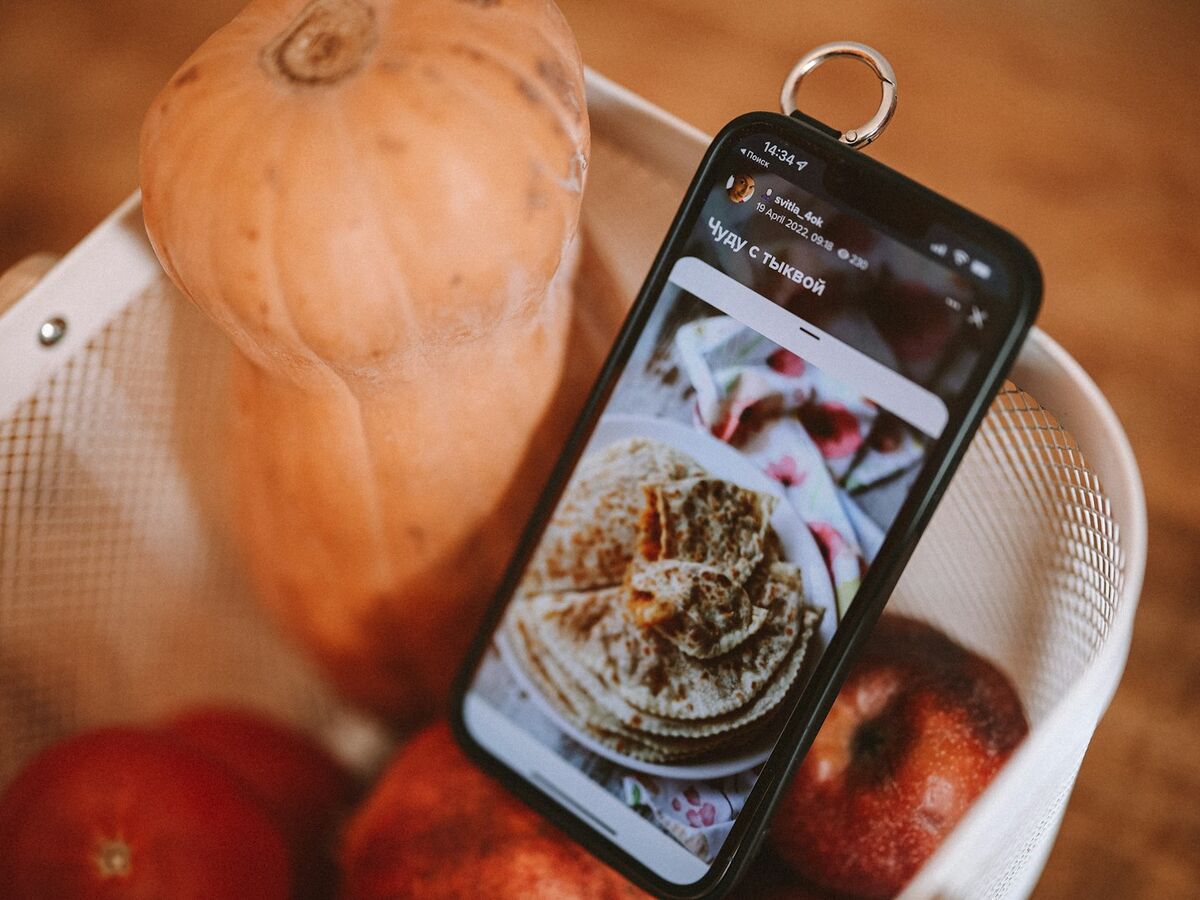
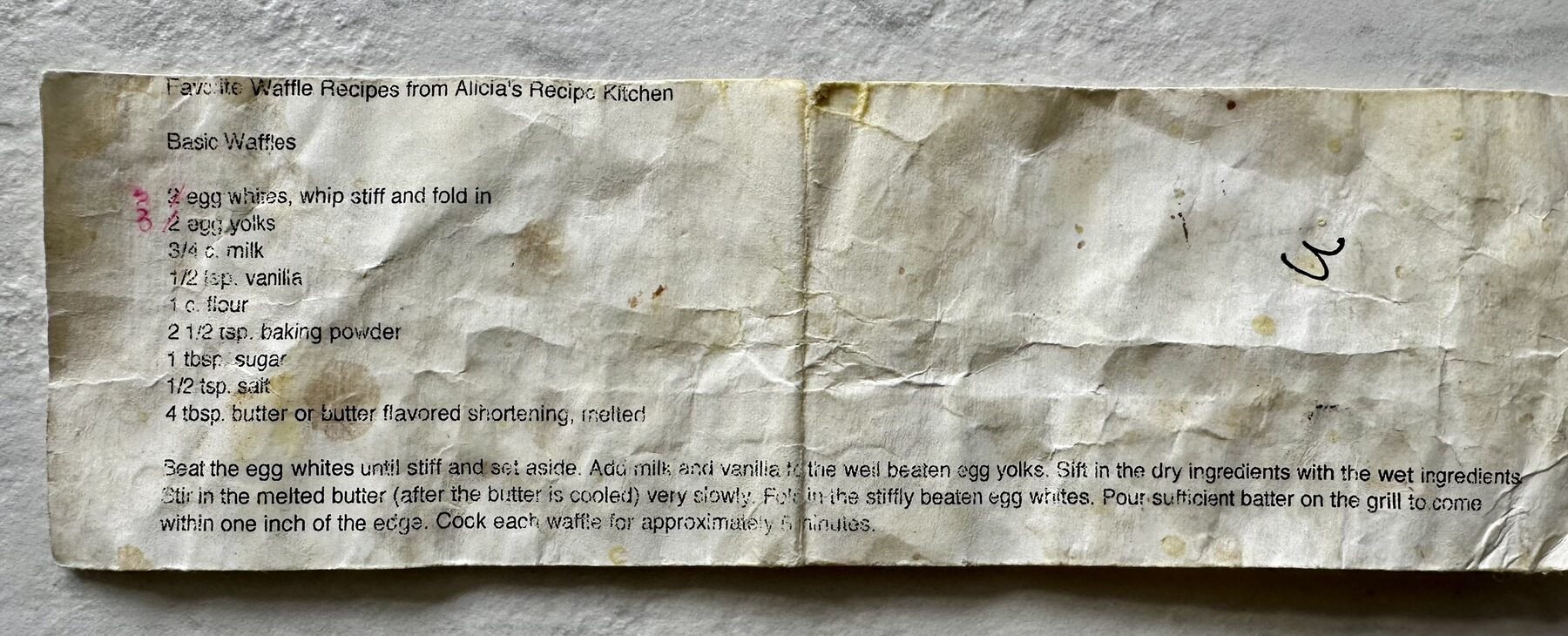
The question comes up at the scanner: you have a cookbook open, a phone in your hand and a recipe box that your friends can see. What may you keep, and what may you pass on? The Act answers most of it and a Supreme Court case answers the rest. The answer turns on who else sees the copy. This page sets out the sections. It is not legal advice.
What copyright protects in a recipe
Not protected
ingredientsamountsthe bare method
The Supreme Court in CCH v. Law Society (2004 SCC 13): copyright protects the expression of ideas, not facts or ideas. A list of ingredients is facts. A procedure is an idea. The US Copyright Office says the same in Circular 33, and the Fasken article of 2021 says Canadian courts would likely follow.Protected
proseheadnotelayoutphotos
The written explanation, the story above the recipe, the page design and every photograph. These are original literary and artistic works under sections 2 and 5. Reproducing a substantial part of them is the author’s sole right under section 3.The whole book
compilation
A cookbook is also a compilation. Selecting and arranging the recipes takes skill and judgment, which is the Canadian test for originality. Copying a book’s worth of recipes, even as bare lists, reproduces the compilation.Not decided
no Canadian case
No Canadian court has ruled on a recipe. The nearest case is about a restaurant menu. Everything on this page about recipes is the statute and the general rule applied to them, which is also what the law firms say.
A copy for yourself
Typing the ingredients and the steps into your own recipe box is the easy case. Those parts are not protected, and a copy nobody else sees has no one to harm. If you type the author’s paragraphs in too, two parts of the Act cover you.
Fair dealing, section 29
Fair dealing for research or private study does not infringe. The Supreme Court reads research widely, as a user’s right that can be informal and for personal interest. One recipe, kept to yourself, copied from a book you bought, with no effect on the book’s sales, passes the six fairness factors in CCH.The private-copy exception, section 29.22
An individual may reproduce a work they legally obtained, other than by borrowing or renting it, for their own private purposes, as long as they do not give the reproduction away. A copy of a recipe from your own cookbook into your own app fits. A copy from a library book does not, and a copy you send on does not.A scan of the page
A photo of the page is a reproduction of the page: the prose, the layout and the picture. Kept to yourself, the two exceptions above apply as they do to typing. A scanner that reads the photo and keeps only the typed recipe leaves you with the unprotected part.
Sharing with friends
Section 29.22 stops where giving away starts. The exception requires that the individual does not give the reproduction away and uses it only for their private purposes. Sending a friend a photo of the page, or a recipe with the author’s paragraphs in it, is outside it. Fair dealing could still cover a small private share. No case or guide says so.
Skip
- A photo of the cookbook page in a group chat
- The headnote and the method copied word for word, credited or not
- The book’s photograph as the cover of your copy
Do
- The ingredients and amounts as printed
- The method in your own words, as you make it
- The book and the author named on the source line
- Your own photo of the dish
- A note on what you changed
That list is also what makes a shared recipe useful. The friend wants the amounts and what you did. The author’s paragraph about their grandmother is the author’s.
Publishing a recipe
A website, a public profile or a printed church cookbook is reproduction to the public, and no private exception applies. The rule is the one food bloggers follow: the ingredient list may be identical, because it is facts; the method is rewritten in your own words; the source is credited and linked; the photos are your own. Credit does not license the prose. Changing three ingredients does not make the prose yours.
The test the courts apply is whether a substantial part of the expression was taken, judged by quality as much as quantity. A distinctive headnote is a substantial part even if it is three sentences.
Photographs
Photographs are artistic works under section 2, and the one recipe case in Canada is about them. In December 2025 the Federal Court found that a delivery company had copied two photographs from a Canadian food blog and awarded the blogger $3,000 for each, plus punitive damages and an injunction (Matsumoto v. Canuck Eats, 2025 FC 2017). The company had left the watermarks on. Credit was not the question; copying was.
For your own recipe box the rule is simple. A photo of the page for your own eyes is a private copy. A photo of the dish you cooked is yours. The book’s photo as the cover of a recipe your friends can see is neither.
Old cookbooks
Copyright in Canada lasts for the life of the author plus 70 years, counted from the end of the year they died. The term went from 50 to 70 years on 30 December 2022 and did not revive anything that had already expired. An author who died in 1971 or earlier is in the public domain. One who died in 1972 or later is protected until at least 1 January 2043. A community cookbook from the 1950s with no named author is a harder case, because the term runs from the authors’ deaths, and the safe reading is that it is still protected. The recipes in it, as ingredients and a method, were never protected at all.
Credit, and what it does
Authors have a moral right under section 14.1 to be associated with their work. Naming them honours that. It does not create a licence to copy, and the Act makes attribution a condition only for criticism, review and news reporting under sections 29.1 and 29.2. Name the book because it is true and useful, not because it makes a copy legal. A recipe box with a source line on every recipe does that for you.
Where Forktales fits
The Forktales scanner reads a photo of a cookbook page and keeps the typed recipe: ingredients, amounts and steps. The photo is not stored. The recipe lands in your recipe box with a source line for the book and the author, visible to nobody until you choose, and then only to friends you have accepted. There are no public profiles. If you share one, share the amounts and your own words, and the book’s name on the source line does the crediting.