Guides · Updated · 8 min read
How to organize recipes: one system for cards, cookbooks, links and screenshots
How to organize recipes from cards, cookbooks, websites, screenshots and friends into one searchable collection, with categories and tags that still work a year later.
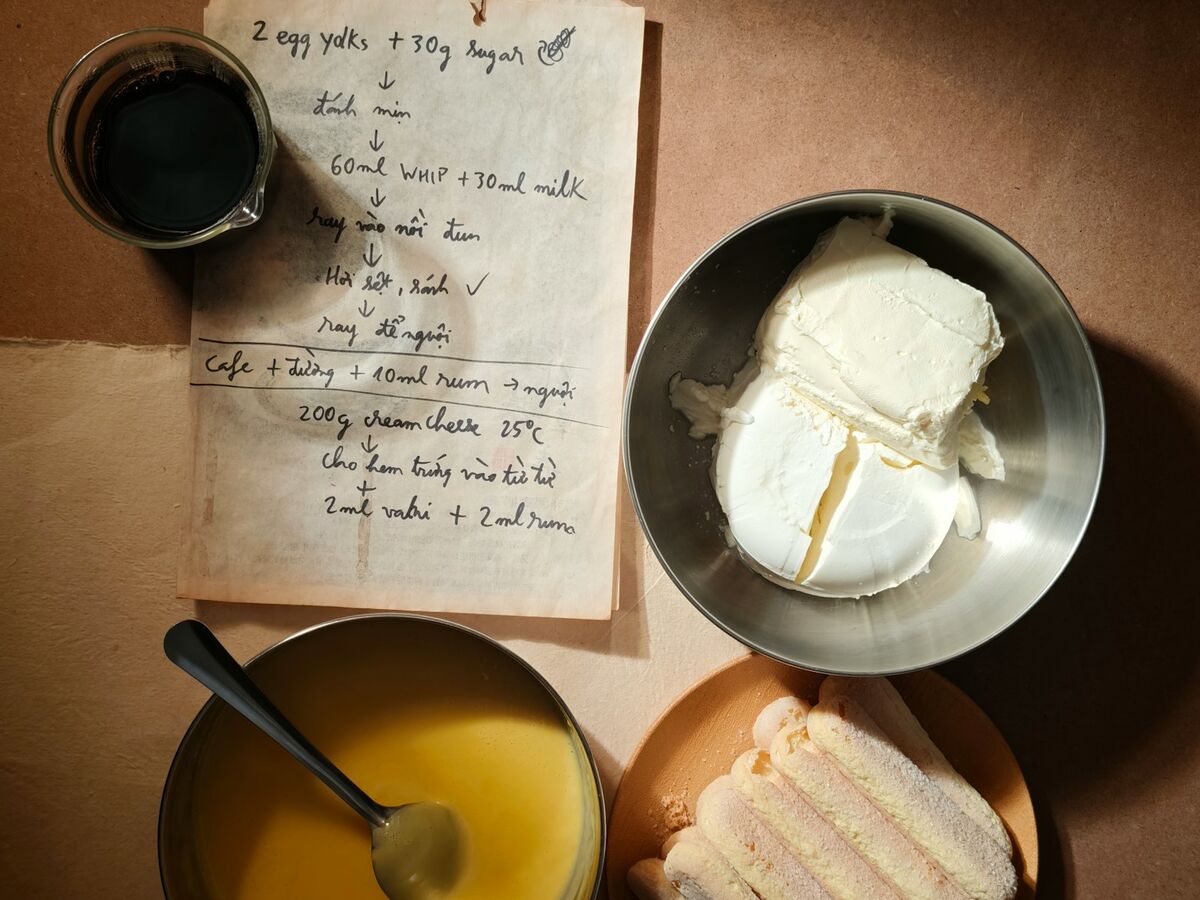
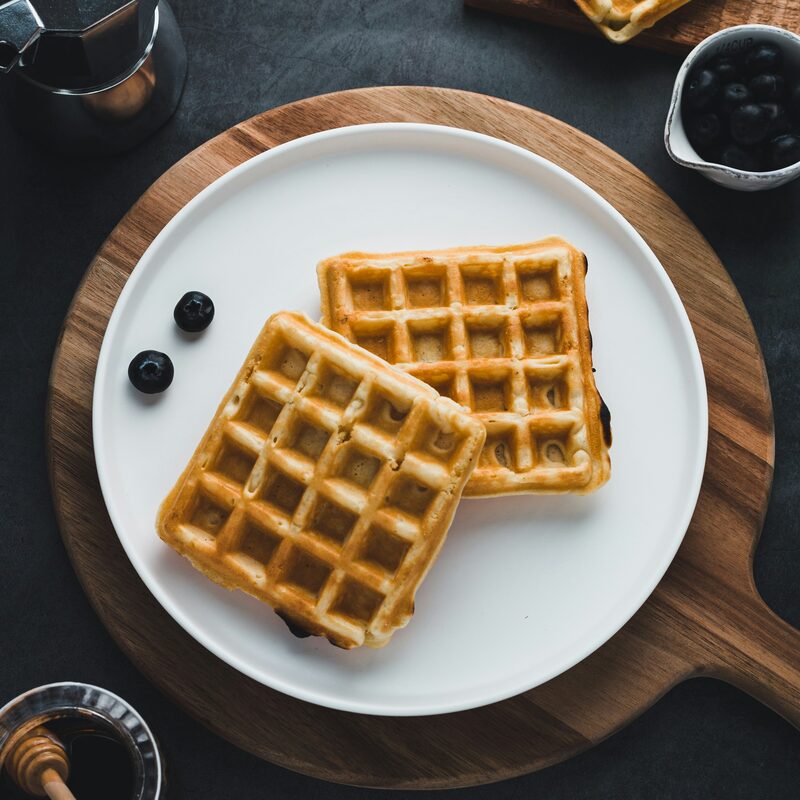
Most people's recipes live in six places at once: a box of cards, a shelf of cookbooks with torn paper marking the good pages, browser bookmarks, a camera roll full of screenshots, a chat thread with a friend and their own memory. Organizing them does not mean a perfect filing scheme. It means one place you look first.
Start with the recipes you actually cook
Before you sort anything, write down every dish you have cooked in the last three months. For most households that list is shorter than expected. Those recipes are the core of your collection, and they go in first.
Pick one home and move everything there
A binder and a recipe app both work. What does not work is two of them. Choose the home by how you cook:
Search by ingredient
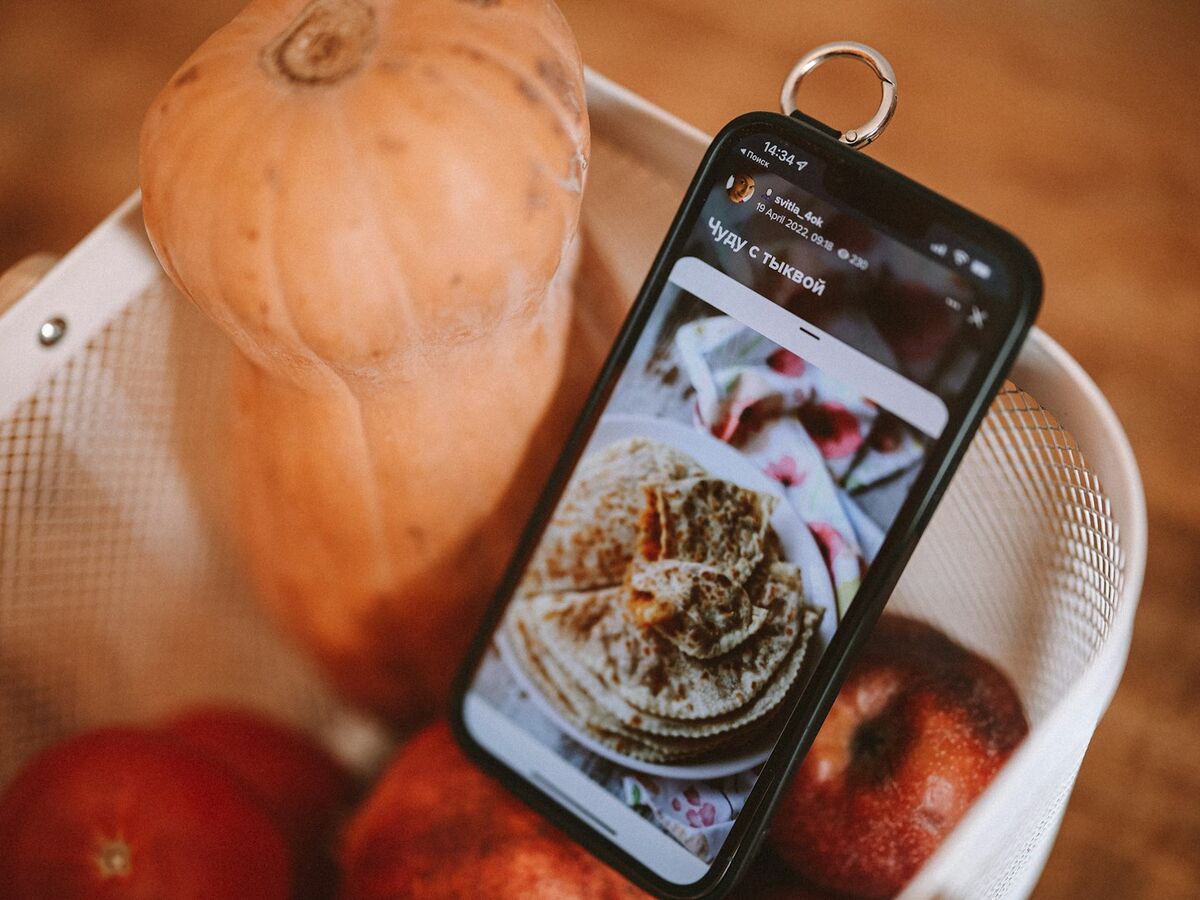
“What can I make with this squash?” is the most common question a collection has to answer. Paper cannot answer it. A digital box can.Readable at the stove
A phone propped against the backsplash is where most recipes get read. Big type and a screen that stays on matter more than a pretty layout.Takes a photo of a card
Family recipes arrive on paper. The home should accept a photo without making you retype everything.Keeps the source
Every recipe should say where it came from: a book and page, a website, a person.
Get every source in

Recipe cards and handwritten notes
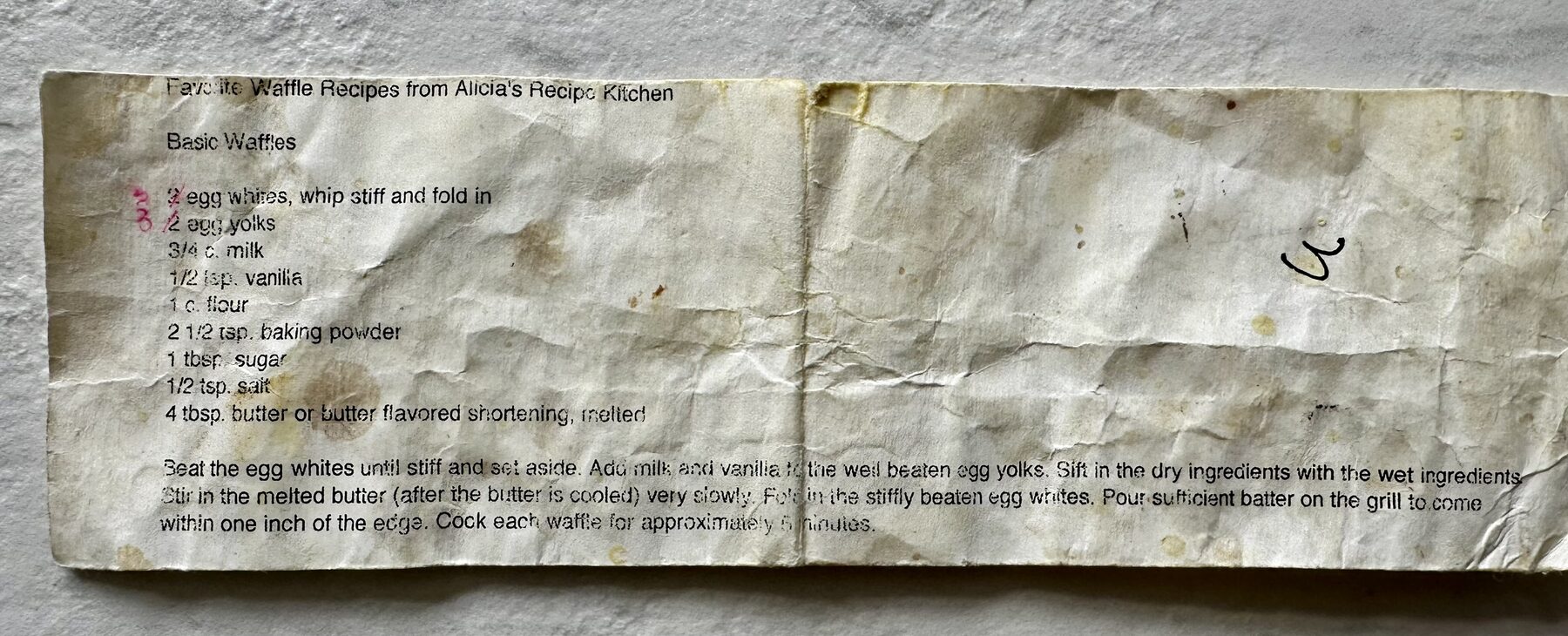
Lay each card flat on a dark surface near a window and shoot straight down, so the lines stay square. Keep the photo, then type the recipe into your usual format. The typed copy is what you search and cook from. The photo keeps the handwriting, which is often the part the family cares about most. The tale on collecting family recipes covers the cards you have not been given yet.
Cookbooks
Do not copy whole books. For each book, note the dishes you cook from it with the page number. Copy a recipe in full only once you have changed it, and write your changes in. That version is yours.
Websites
Save the recipe, not the bookmark. Recipe pages get redesigned, moved behind paywalls and taken down, and a bookmark to a missing page has nothing on it. Keep the link as the source line.
Screenshots and social media
A screenshot folder is an inbox, not an archive. Once a week, go through it. Anything you will cook gets typed up or imported with its source. Anything you will not cook gets deleted.
Friends and family
The recipes worth keeping most are the ones you have eaten at someone's table. They are also the ones least likely to be written down. How to ask for them is its own skill.
Categories: fewer than you think
Give every recipe one category, and make the categories courses. Seven is enough for most kitchens:
- Breakfast
- Mains
- Sides and salads
- Soups
- Baking
- Desserts
- Drinks
The test is whether you would ever open the category and browse it. Nobody browses “chicken”. They search for it.
Tags that earn their place
Tags answer the questions you ask on a given night. The ones that get used fall into three groups: time and effort (weeknight, make-ahead, freezer, slow weekend), occasion (for a crowd, potluck, holiday, lunchbox) and diet (vegetarian, vegan, gluten-free, dairy-free, whatever your table needs). Pick a tag below to see one answer a question.
Try a tag
8 of 8 recipes
- Sheet-pan sausages and peppersMains
- Black bean chiliMains
- Egg fried riceMains
- LasagneMains
- Red lentil dalSoups
- Roast chicken and potatoesMains
- Basic wafflesBakingOpen the recipe
- Chicken noodle soupSoups
Skip tags for ingredients if your search reads the ingredient list. Keep the whole tag list under about twenty. Before adding a tag, ask whether you would ever filter by it.
Write every recipe the same way
A consistent format is what makes a collection quick to cook from. Each recipe gets:
A title you would search for
“Mum’s chicken” is hard to find. “Mum’s lemon roast chicken” is not.The source
A person, a book and page or a link.Servings and times
Servings, prep time and cook time.Ingredients in order
In the order you use them, with amounts written the way you measure: 3/4 cup, not 0.75 cup.Numbered steps
One action each.Notes
What you changed and what you would change next time.
The basic waffles recipe on this site is written in this format, from a card that spent twenty years in a drawer.
Keep a cook history
Mark each time you make a recipe. After a few months the history tells you what your collection is. The dishes you make every other week are your repertoire. The ones you have not touched in a year can move to the maybe pile. A recipe that has been made twelve times deserves to be found first.
Ten minutes a week keeps it organized
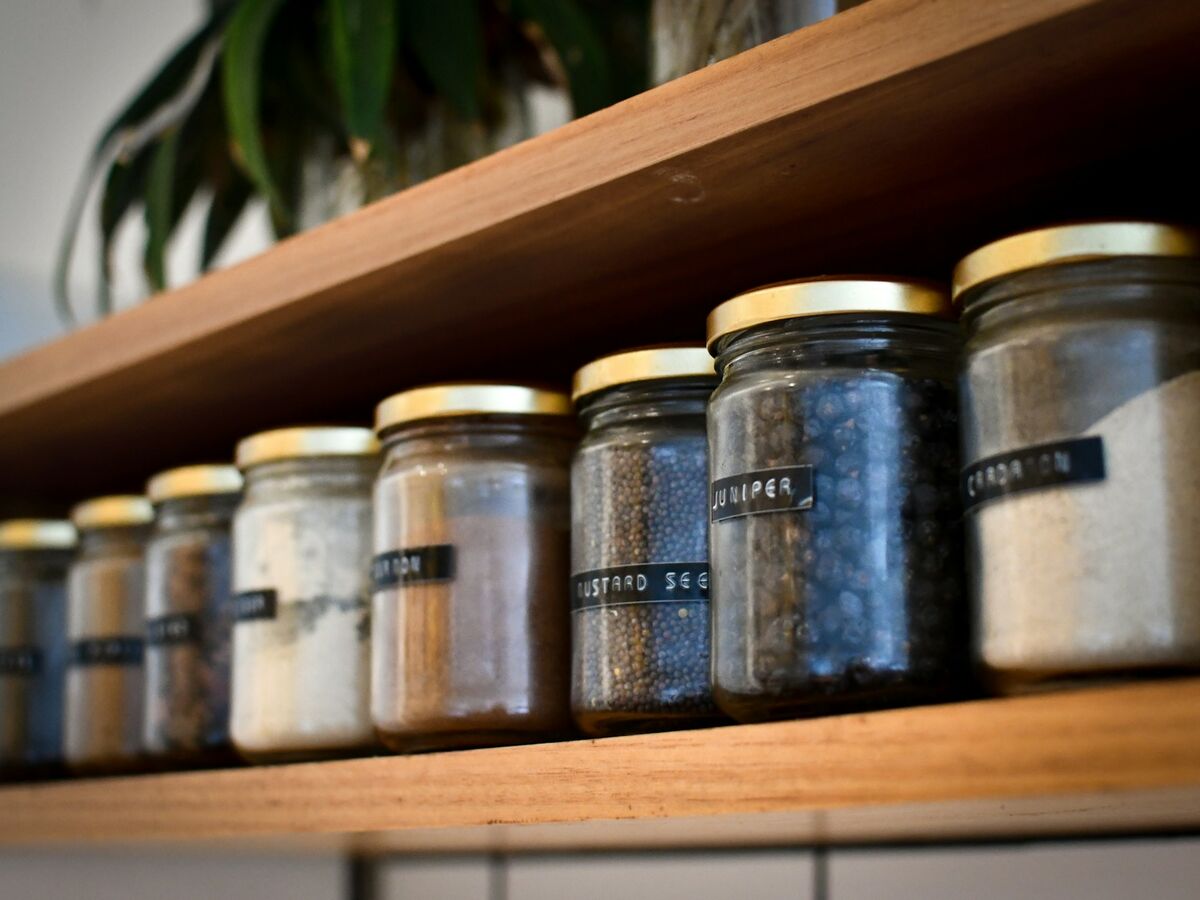
Collections fall apart when new recipes pile up outside them. Once a week, clear the inboxes: the screenshot folder, the links you texted yourself, the card someone handed you.
File each one or delete it. That keeps every recipe in the one home.
Where Forktales fits
Forktales is a recipe box built for this system. Your own recipes, the ones friends share and the ones you save sit in one place you can search by title, ingredient or tag. You can photograph a card or paste a link and check the typed recipe before you save it. Each recipe keeps its source, and the page shows when you last cooked it and how often. Forktales has tags rather than one category field, so make each course a tag.