Guides · Updated · 7 min read
Meal planning with the recipes you already cook
A meal planning method for beginners that starts from the recipes you already cook: write down your repertoire, plan the week in ten minutes and add one new dish at a time.
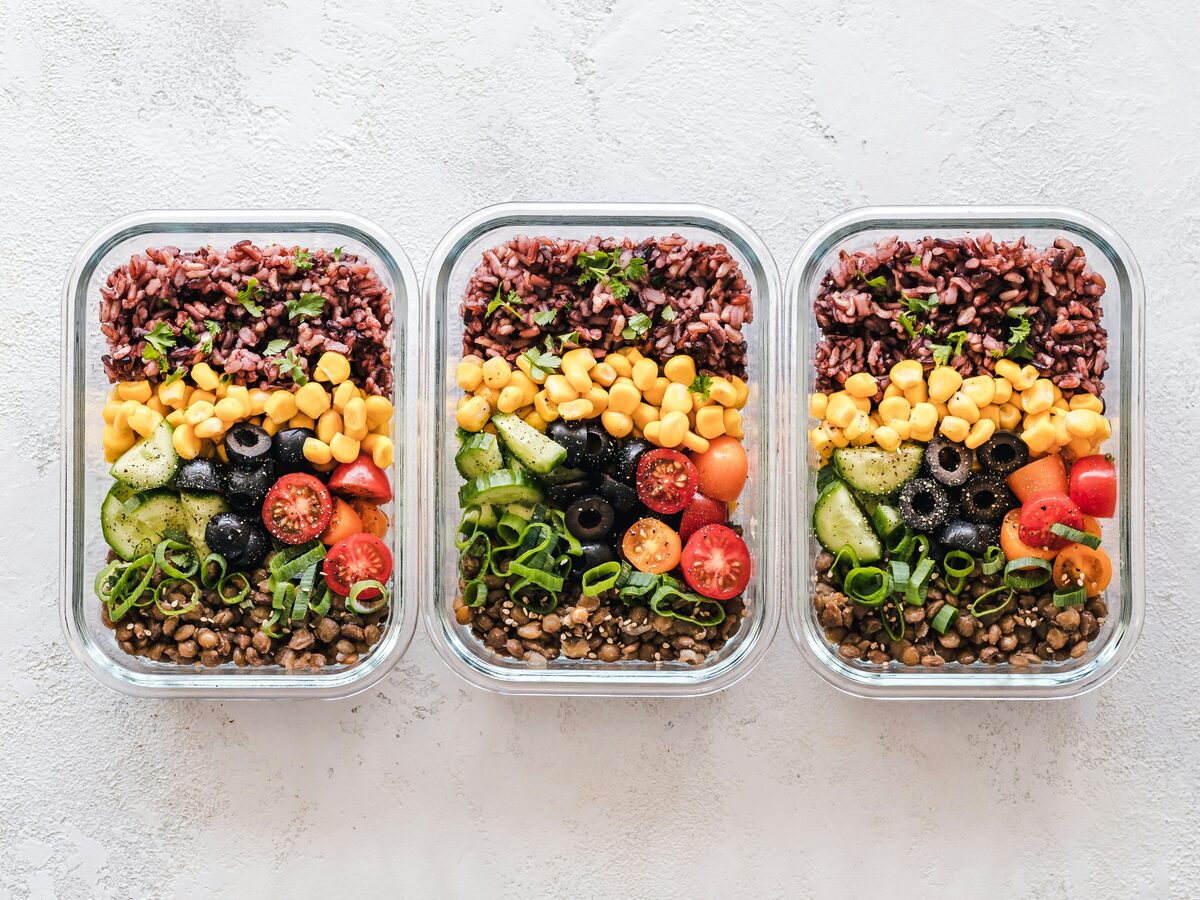
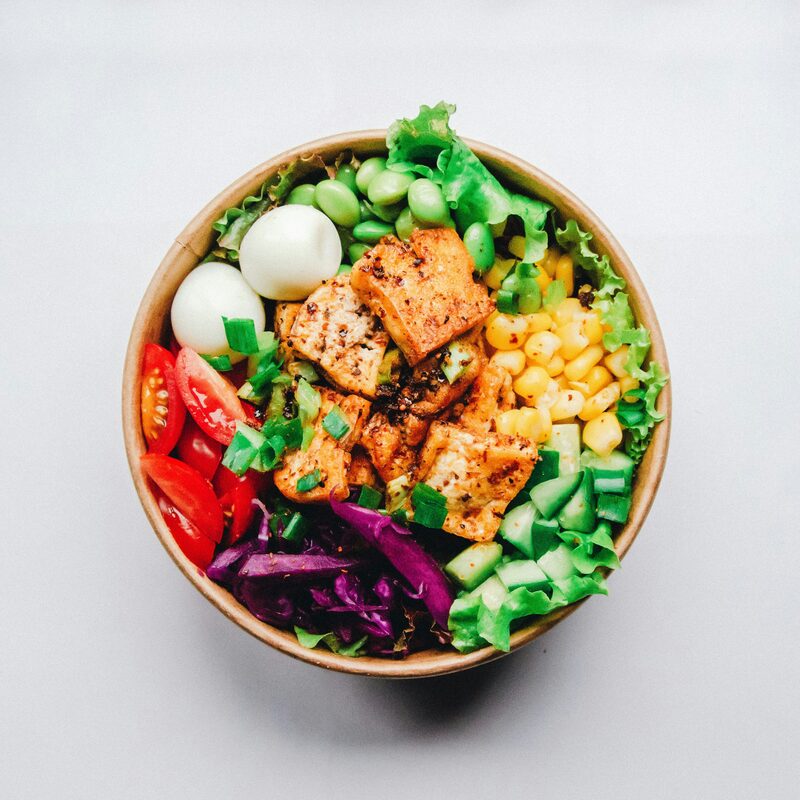

Most meal plans fail in the second week because they start from new recipes. New recipes take longer, need ingredients you do not have and sometimes fail. A plan built on dishes you already cook well survives a tired Wednesday. Start there and add new dishes one at a time.
Write down your repertoire
Your repertoire is every dinner you can cook without much thought. List them all, without looking anything up. Include the plain ones: fried rice, pasta with whatever is in the fridge, eggs on toast. They count. Then sort the list into three groups:
Weeknight
On the table in about thirty minutes. If this group is short, fill it first. The plan relies on it most.Weekend
Slower, or with more steps.Batch
Makes enough for a second night or the freezer.
Plan the week in ten minutes
Look at the week
Who is home which nights and which nights run late.Count the dinners to cook
Not seven. Take out nights out, leftover nights and the night you will order in.Check the fridge
Anything that needs using sets the first dinner of the week.Pick from the repertoire
Weeknight dishes on busy nights, a weekend dish where there is time, one batch dish to cover a second night.Add one new recipe, at most
Put it on the night with the most time.Write the shopping list from the recipes
Go through each ingredient list, cross off what you have and group the rest by aisle.

Ten minutes once a week with your repertoire list is enough. Write the plan where the whole household sees it, such as on the fridge.
Themes make choosing faster
A theme per night narrows the choice from everything to a handful. The theme stays fixed and the dish inside it changes. Themes also make it easy for someone else in the house to cook: they know what kind of dinner is expected. Press the button to plan another week from the same themes.
A week of themes
Mon
Soup
Red lentil soup
Tue
Tacos
Black bean tacos
Wed
Leftovers
Monday's soup, again
Thu
Freezer
Frozen chili
Fri
Pizza
Sheet-pan pizza
Sat
Out
Dinner at a friend's
Sun
New recipe
A friend's braise
Five cooked dinners, one night of leftovers, one night out, one new recipe.
Cook once, eat twice
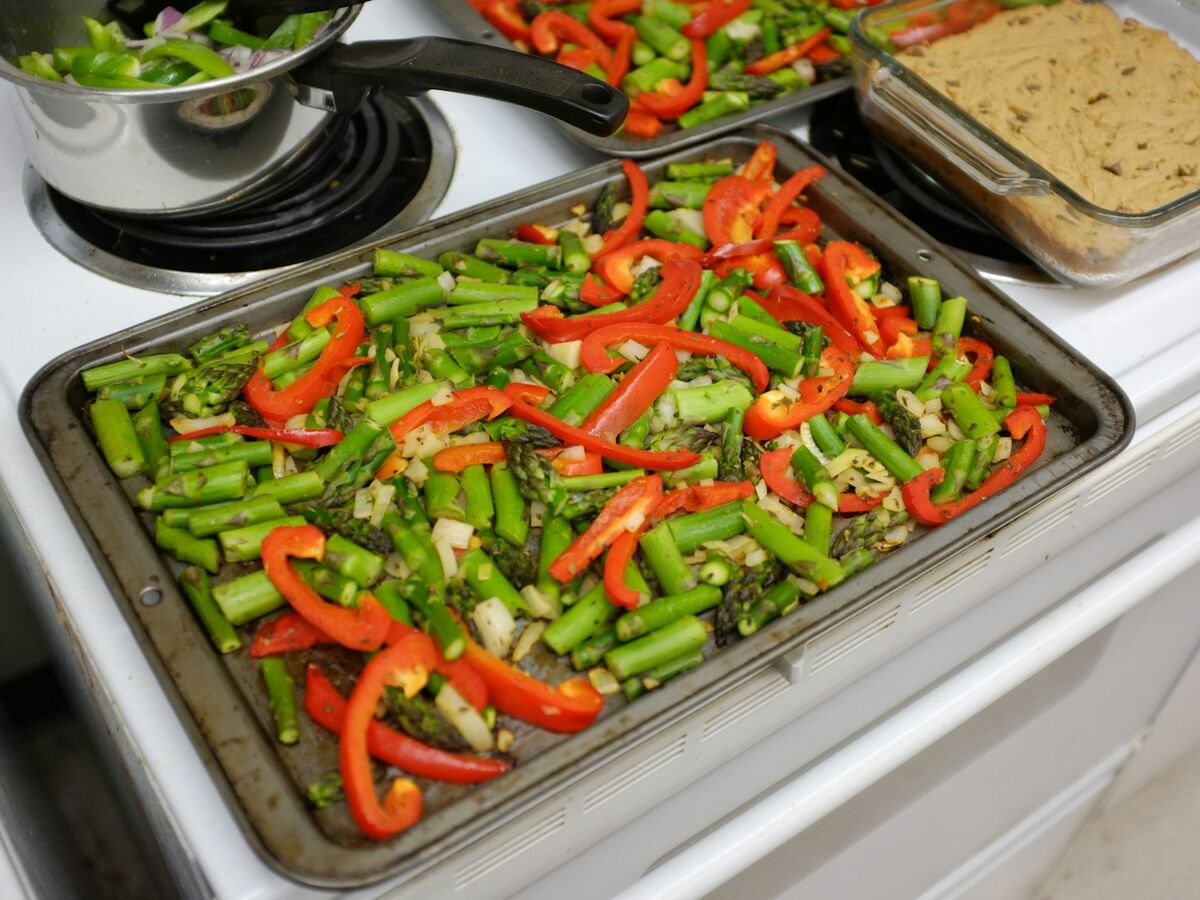
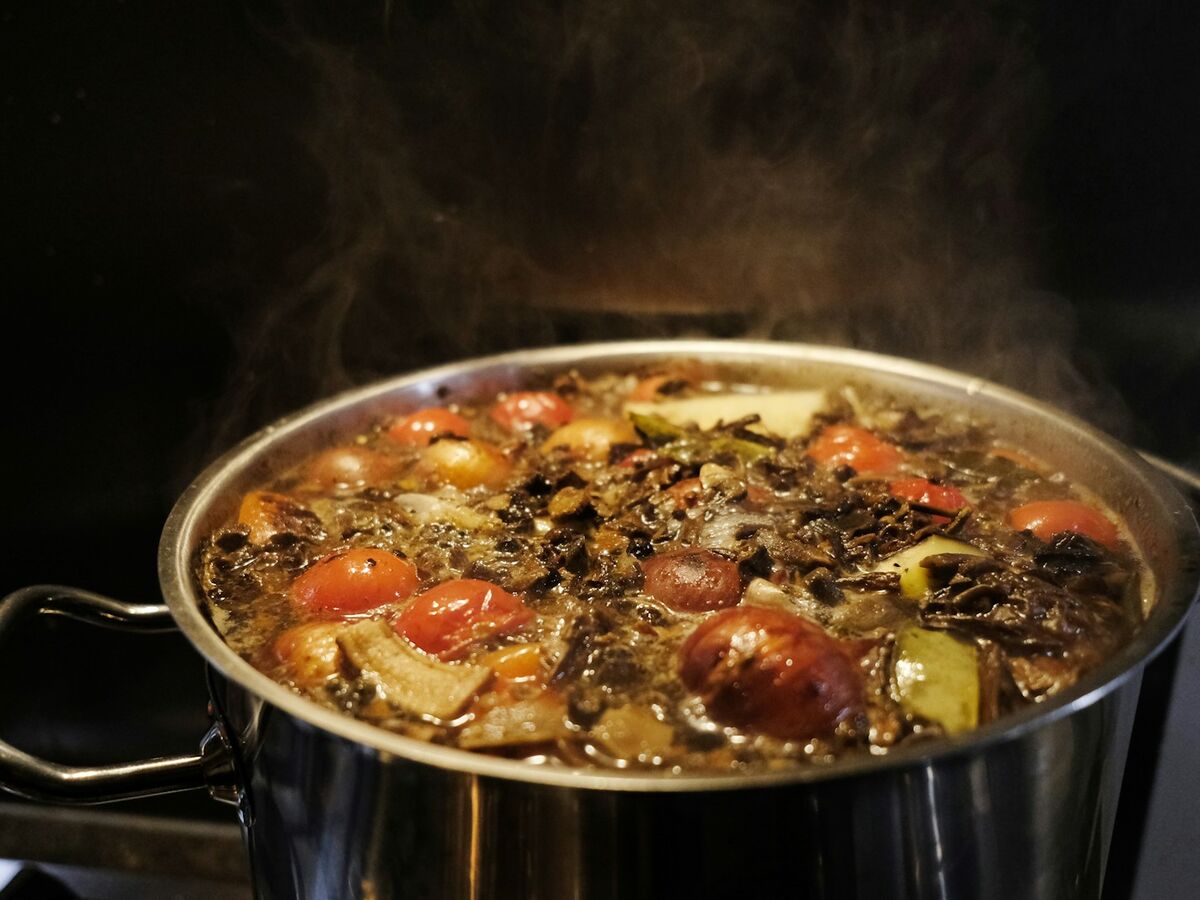
Plan leftovers on purpose. A double batch of chili on Sunday covers Tuesday. Components stretch further than whole dishes. A tray of roasted vegetables, a pot of grains and one sauce become a grain bowl one night and filling for wraps the next.
Add one new recipe a week
- new recipe a week
- 1
- new recipe a week
- new dishes to try in a year
- ~50
- new dishes to try in a year
- cooked, and it is part of the repertoire
- 3×
- cooked, and it is part of the repertoire
Make each new recipe at least twice before judging it. The best ones come from people whose food you have eaten. A dish a friend cooks every week has been tested in a home kitchen on a weeknight. A search result usually has not. The tale on getting out of a dinner rut covers how to ask for them.
When the plan falls apart
Where Forktales fits
Forktales does not plan your week or write your shopping list. It keeps the repertoire the plan is built from. Your recipe box holds your recipes, your friends' and the ones you saved, searchable by title, ingredient or tag, so a “weeknight” tag gives you the busy-night list in one tap. Each recipe shows when you last cooked it, which shows what you have not made in a while. Your friends' recipes are a list of dishes people you know actually cook. On the night, cook mode shows one step at a time with the screen kept awake.