Guides · Updated · 8 min read
Cooking with friends: supper clubs, cookbook clubs, potlucks and recipe swaps
Four ways to cook with friends on a regular basis, how to set up each one and how to keep the recipes that come out of them.
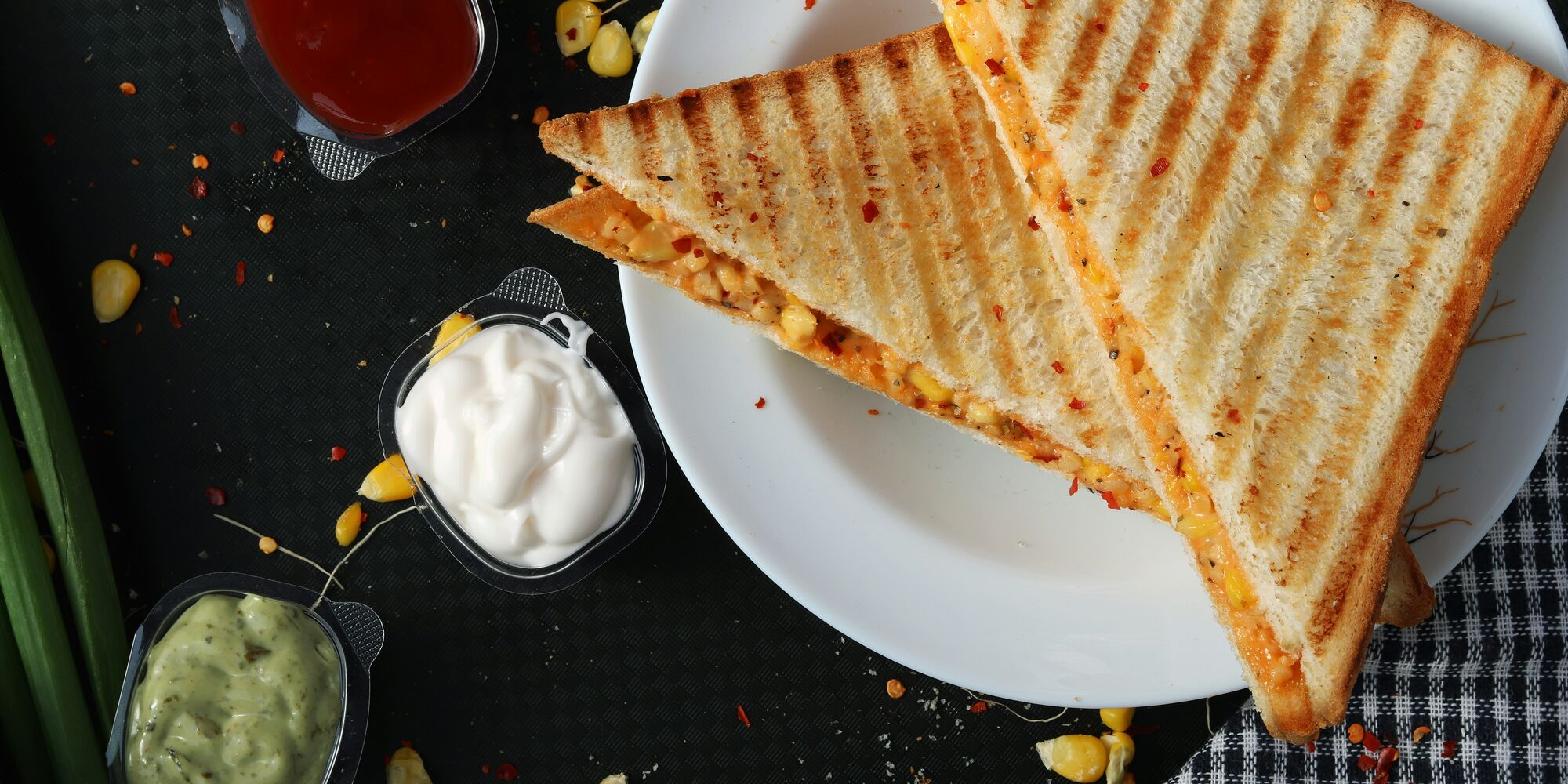
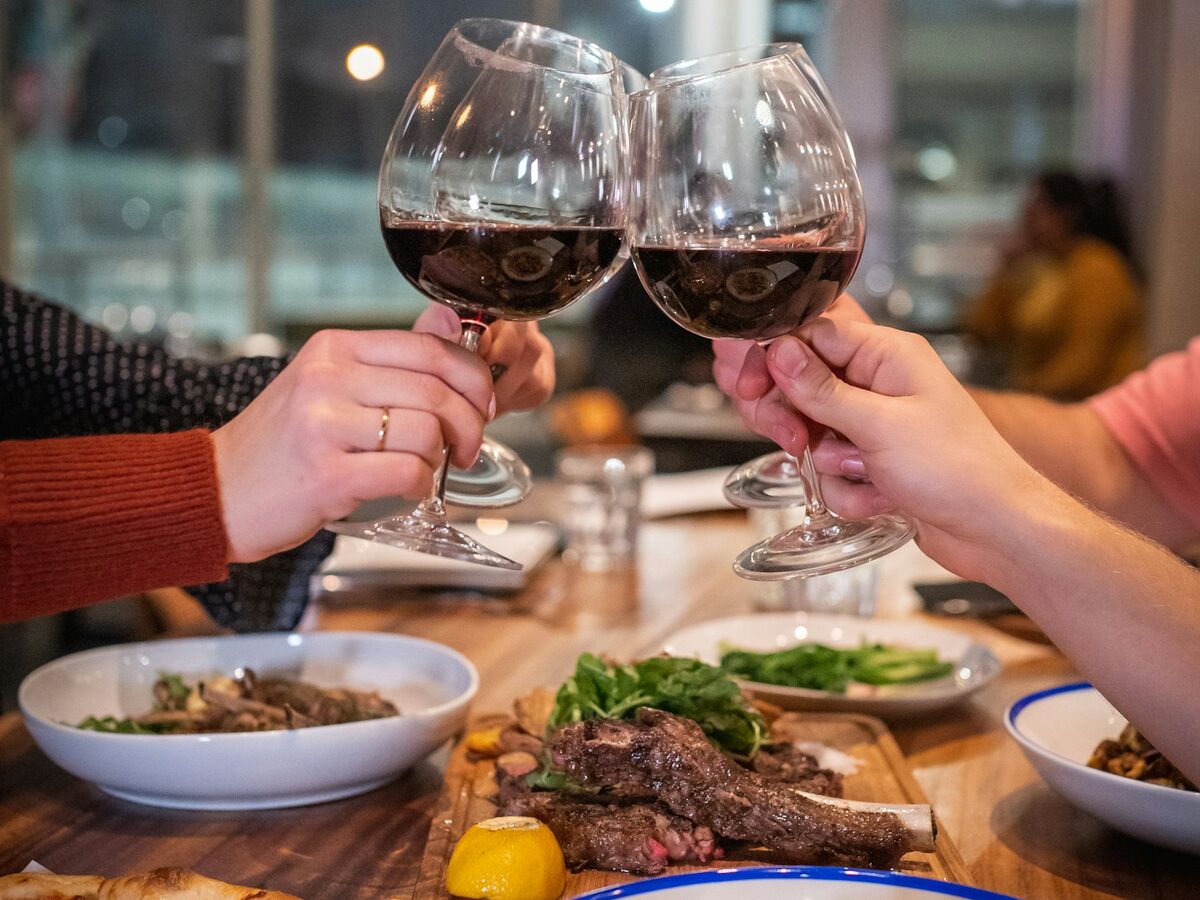
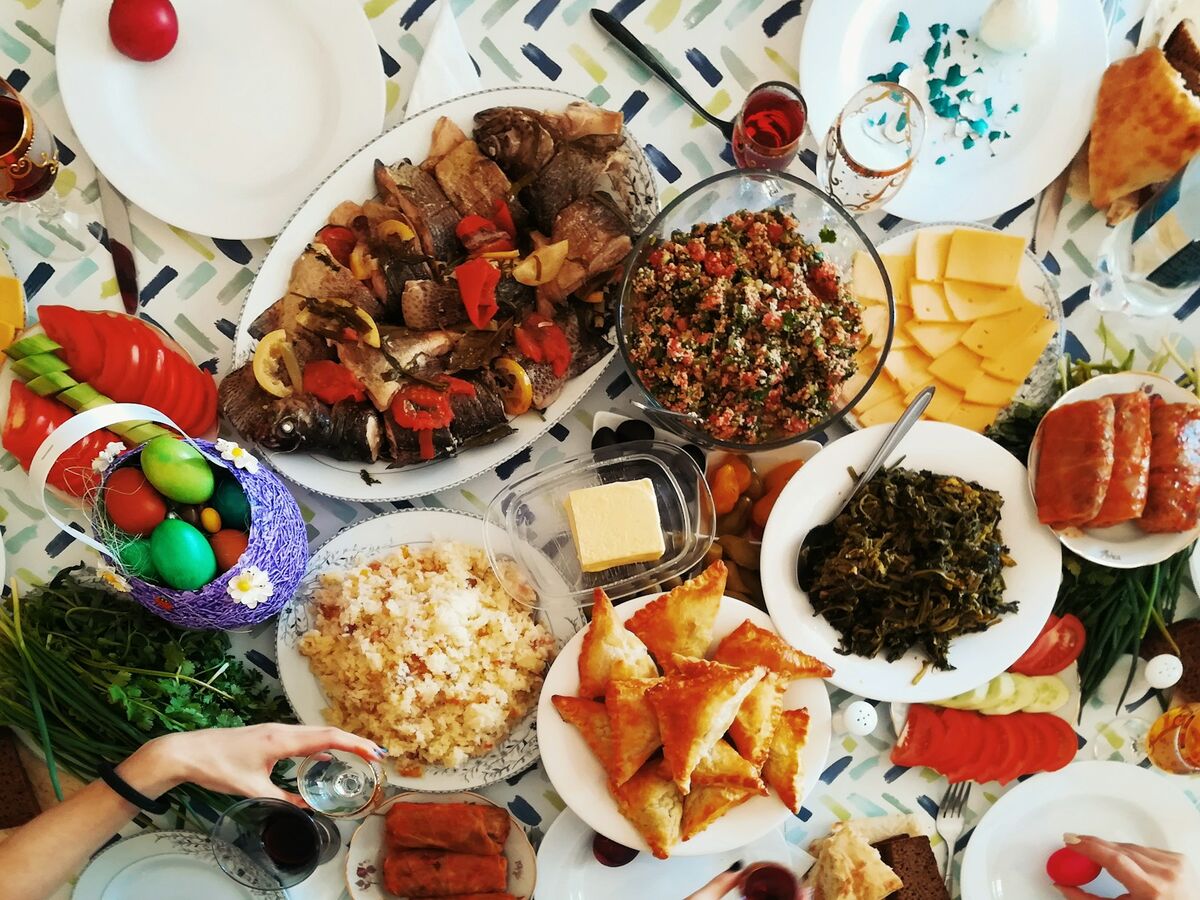
The recipes most people value most came from someone they ate with. Cooking with friends on a regular schedule turns that from luck into a habit. Four formats work. They differ in how much each person cooks, how many people fit and how often you meet.
Pick a format
Supper club
6 to 8 peopleevery 4 to 6 weeksone host cooks
One host cooks for the group and the hosting rotates.Cookbook club
6 to 12 peopleevery 4 to 8 weekseveryone cooks
Everyone cooks one recipe from the same book at home and brings it.Potluck
any sizeany occasioneveryone brings
Everyone brings a dish, one person hosts.Cook-together night
2 to 6 peopleone kitchenall at once
Everyone cooks in one kitchen at the same time.
Supper club
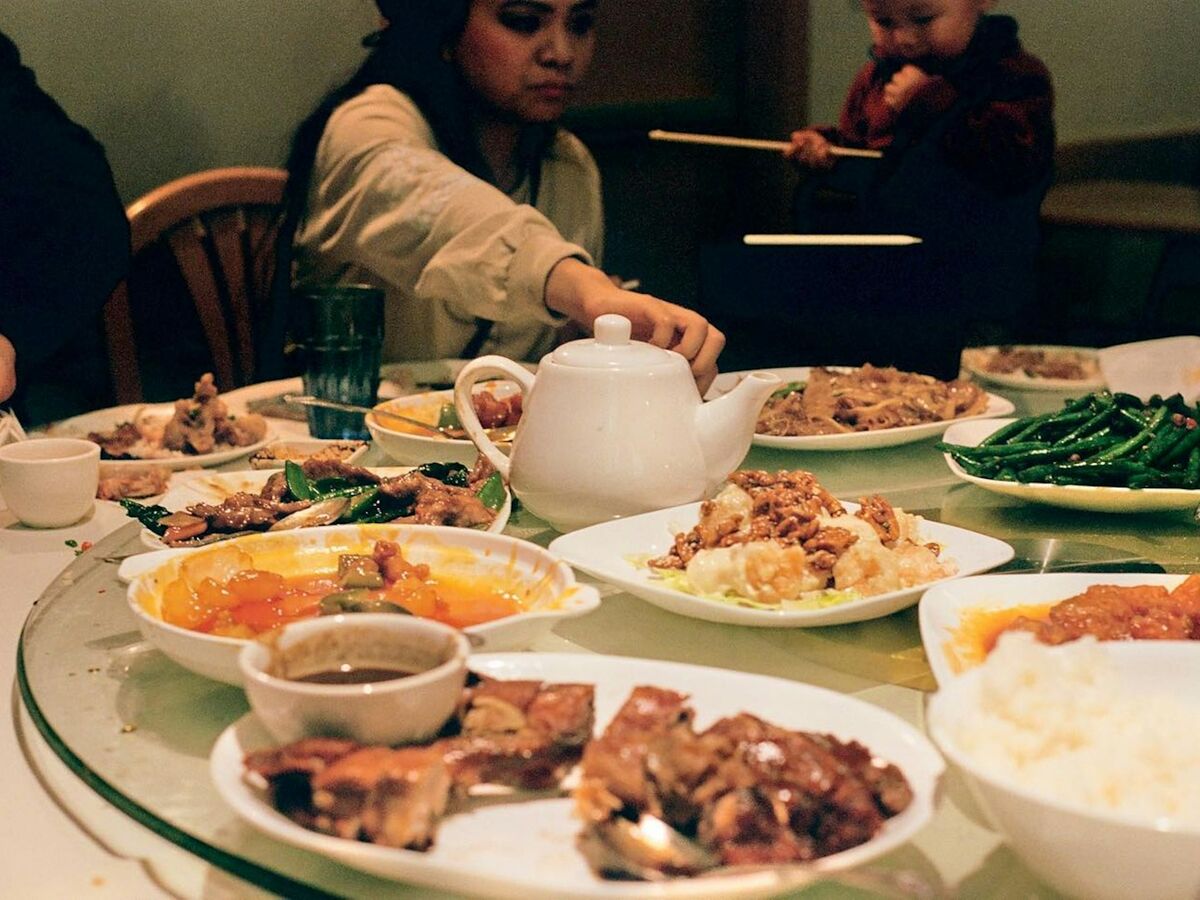
A supper club is a standing dinner that moves between homes. The host decides the menu and cooks the main course. Guests bring drinks, a starter or dessert, as the group agrees. The host pays for their own night, and it evens out over a rotation.
Two rules keep one going. Set the rotation in advance, so everyone knows when their turn is. Set the next date before anyone leaves the table. The tale on starting a supper club covers the first three dinners in detail.
Cookbook club
In a cookbook club the group picks one cookbook. Each member picks one recipe from it on a shared list, so no dish is made twice and the meal has some balance. Everyone cooks at home and brings their dish to whoever is hosting.
Pick the book
One most of the group can borrow or already owns, with recipes a beginner can finish.Take sign-ups a week ahead
One line per course, so there are not six desserts.Bring containers
For the leftovers.Talk about the recipes
What worked, what the book got wrong and what each cook would change. Those notes are worth keeping.
Potluck
A potluck spreads the cooking across everyone, so it scales from a picnic to a holiday. Planning it is mostly counting: count the guests, split the dishes by category, size each dish for about half the guests and keep one shared list of who brings what. That list is what stops five pasta salads. Move the slider to count your own.
Potluck counter
Mains2
Sides3
Starters2
Desserts2
Each dish should feed about 4. The host adds plates, drinks, ice and one backup from the pantry.
Cook-together night
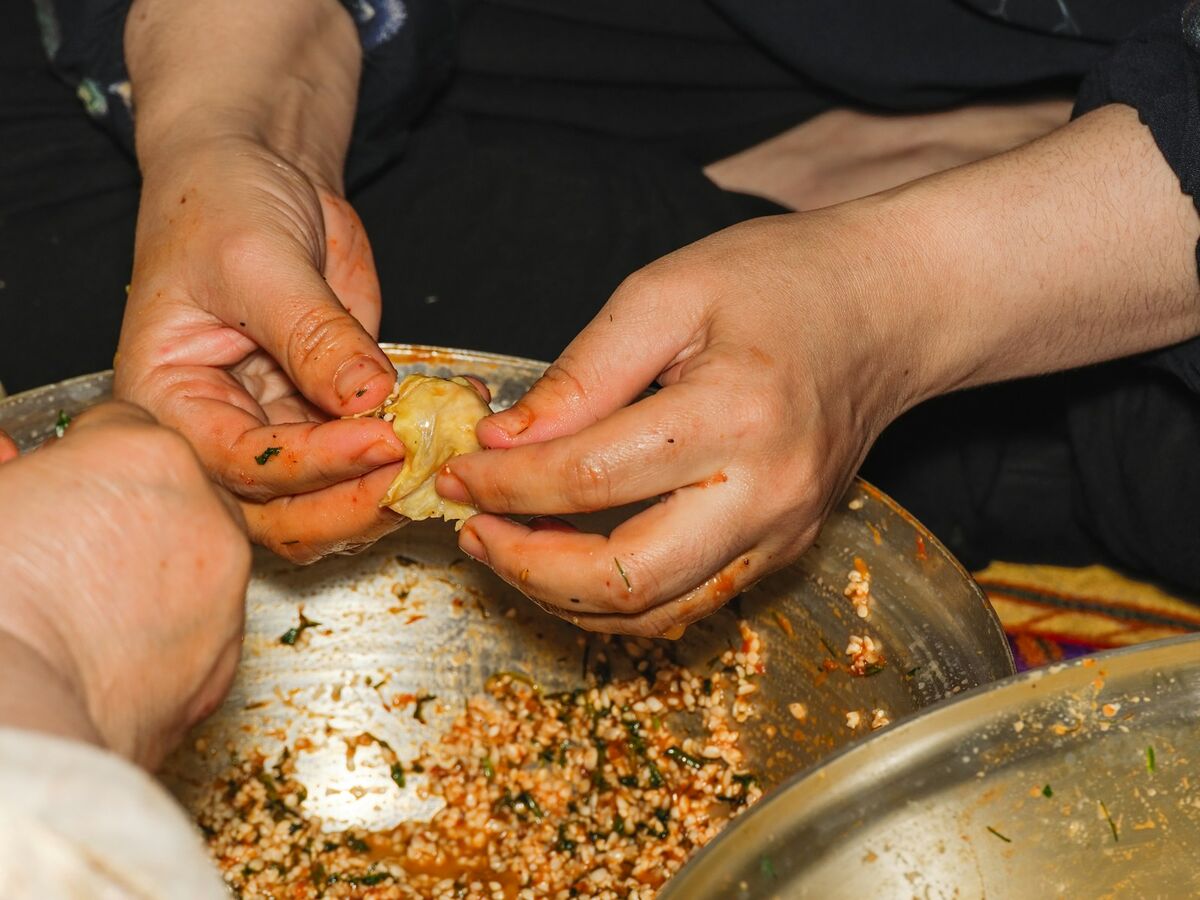
Pick a dish with jobs in it: dumplings to fold, pizza to top, tacos with six fillings, fresh pasta to roll. Set up the stations before anyone arrives.
Give each person a job and rotate the jobs halfway through. Everyone leaves knowing how to make the dish, because they made it.
Allergies and diets
Ask once, when someone joins, and keep a note of it. Then label dishes with their main allergens (nuts, dairy, gluten, shellfish) on a card beside the dish. A guest with an allergy should not have to question every cook.
Swap the recipes afterwards
A good dinner with friends ends with someone asking how a dish was made. That is the moment to get the recipe. The cook is in the room and remembers what they did.
Skip
- “Send me that recipe sometime”
- A photo of the plate and no recipe
- Keeping it without a name on it
Do
- Ask at the table
- Offer to photograph the card or write it up
- Credit the cook by name
- Send them a photo when you make it
The tale on asking a friend for their recipe has the messages that work.
Where Forktales fits
Forktales is a recipe box shared with the friends you cook with. After a dinner, a friend posts a photo of the plate and you ask for the recipe with one tap. When they write it up you are told, and it shows under Friends in your recipe box with their name on it. Everything stays among friends, and you can invite the rest of the group with a link.