Guides · Updated · 8 min read
How to calculate nutrition for a homemade recipe, per serving
How to work out calories, protein, carbs and fat for a homemade recipe by hand, where the numbers go wrong and how to use them to cook better without tracking every meal.
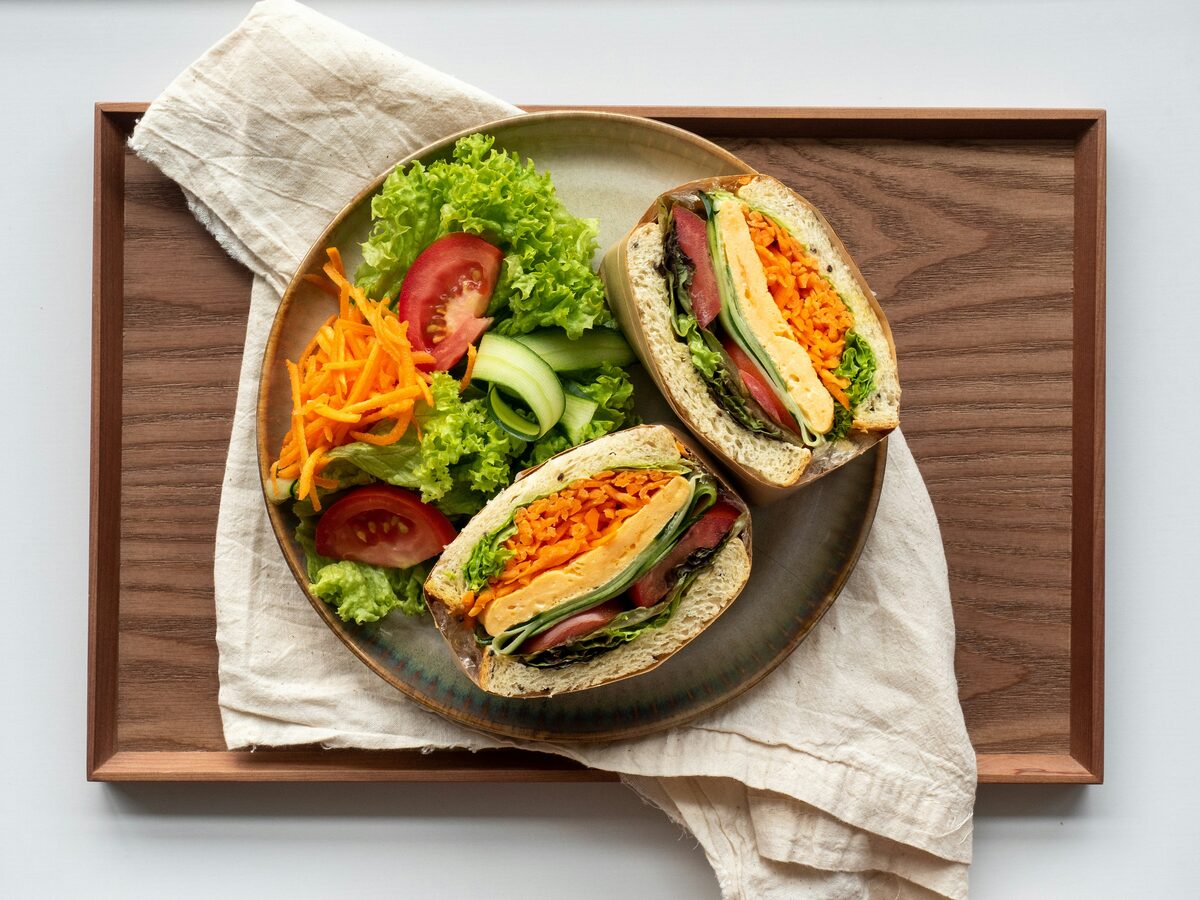
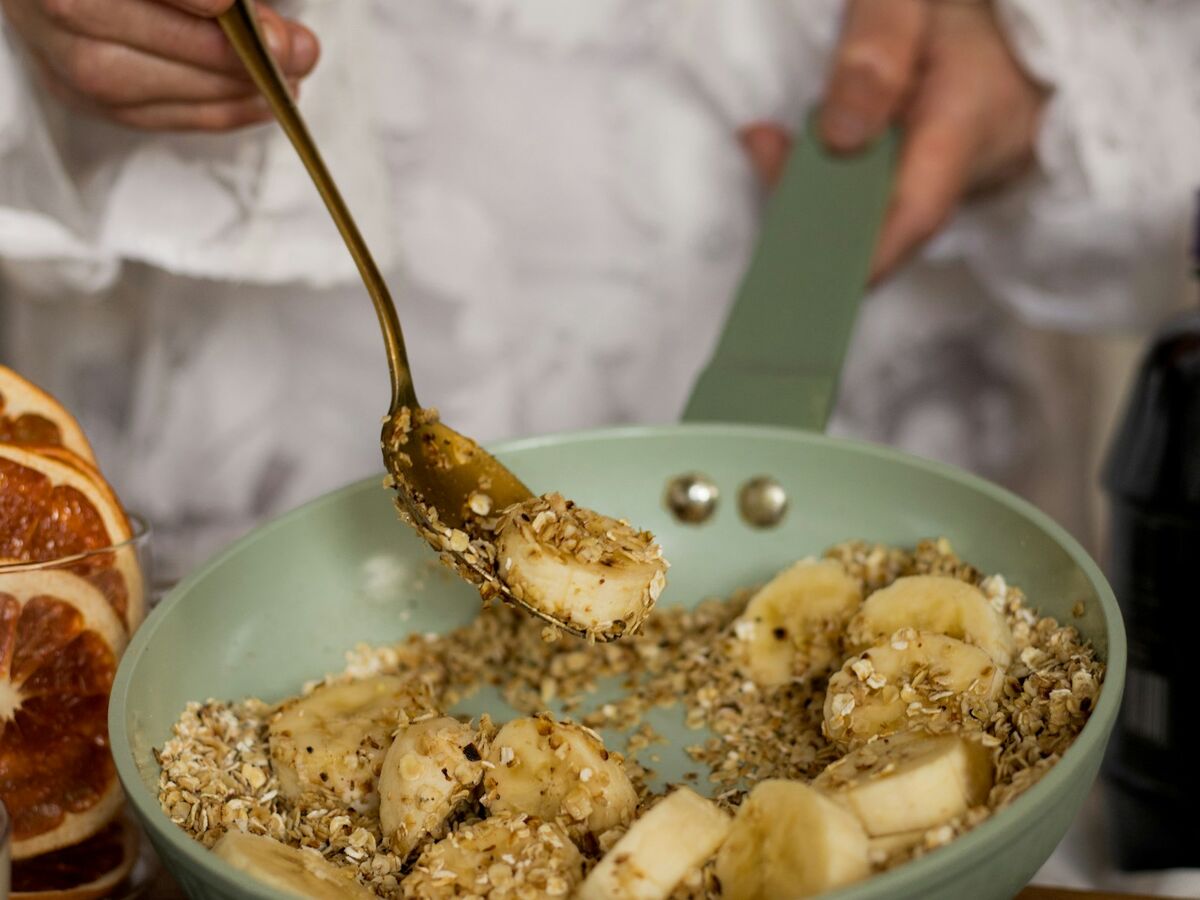
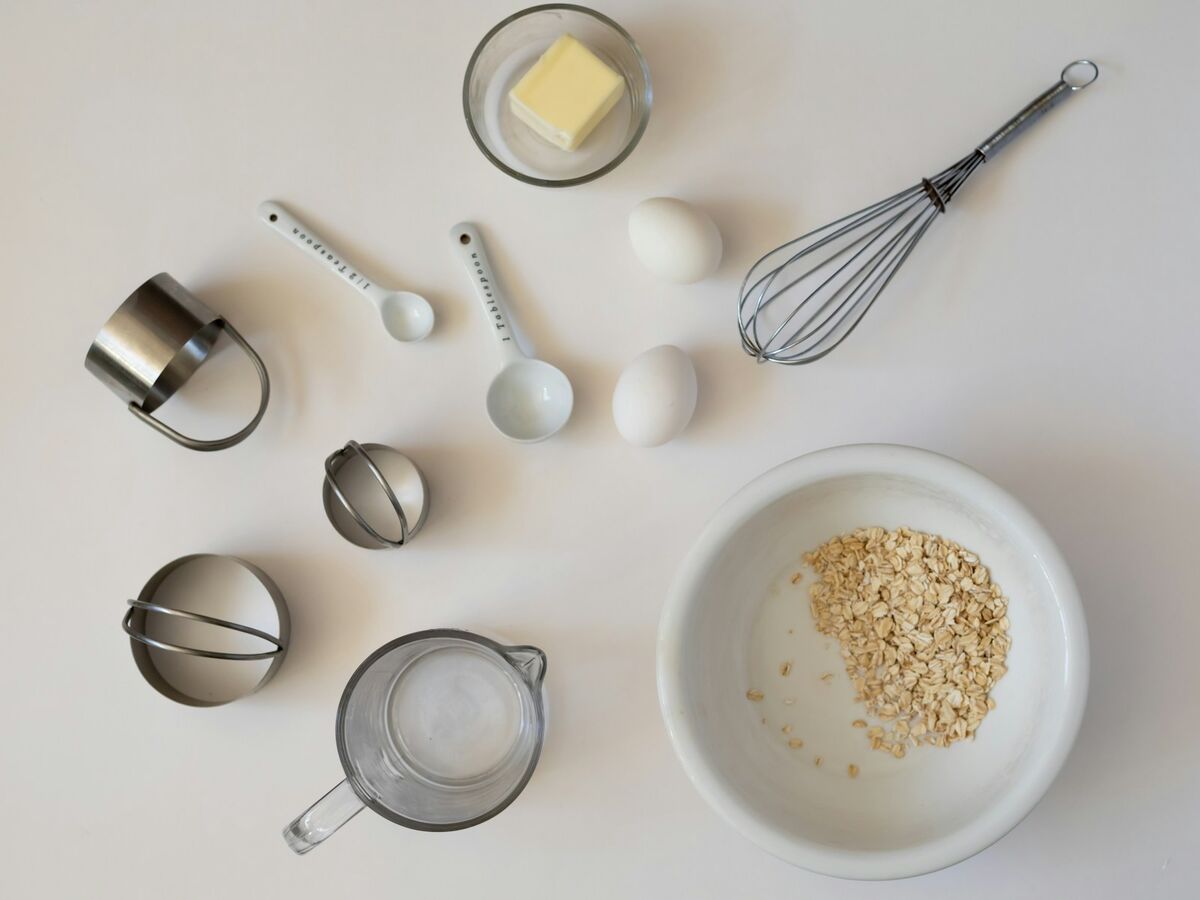
A nutrition label for a home recipe is arithmetic: add up the ingredients, divide by the servings. The sum is easy. The error is in the inputs: how you measured, what the heat did and how big a serving really was.
The method
List every ingredient with its amount
Weigh in grams where you can. Include the oil in the pan and the butter on top.Look each one up
USDA FoodData Central is free and lists calories, protein, carbohydrates, fat, fiber, sugars and sodium per 100 grams. Choose the entry that matches what you weighed: raw chicken thigh, dry rice, whole milk.Scale each one
Multiply the per-100-gram values by the grams you used, divided by 100.Add them up
That is the whole recipe.Divide by servings
That is one serving, if the servings are equal.
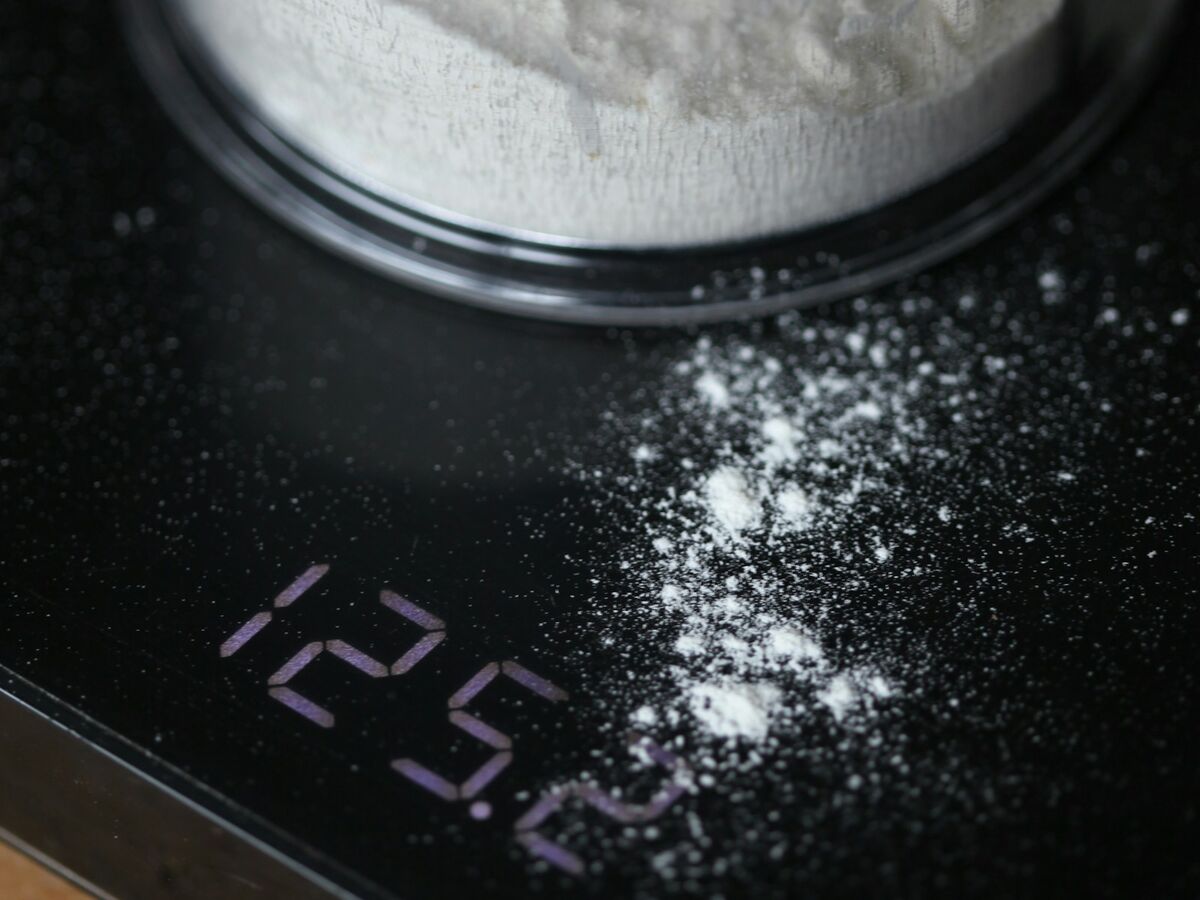
A kitchen scale is the one tool that matters here. Grams are the unit the database uses, so weighing skips every conversion.
A worked example
Overnight oats for two, with values from USDA FoodData Central, rounded. The whole recipe comes to about 560 calories and 20 g protein, so one of two servings is about 280 calories and 10 g protein. Change the servings to see the split.
Overnight oats, worked out
- 80 g rolled oats300 kcal · 10.5 g protein
- 250 ml whole milk157 kcal · 8 g protein
- 1 medium banana105 kcal · 1.3 g protein
Whole recipe: about 560 kcal and 20 g protein.
280
kcal per serving
10
g protein per serving
Where the numbers go wrong
- what one cup of flour weighs, depending on the scoop
- 120–150 g
- what one cup of flour weighs, depending on the scoop
- how much rice gains in weight as it cooks
- 3×
- how much rice gains in weight as it cooks
- the swing in a recipe that measures flour in cups
- 25%
- the swing in a recipe that measures flour in cups
Cups instead of grams
A cup of flour weighs anywhere from about 120 to 150 grams depending on how it is scooped. That is a 25 percent swing before anything is cooked.Raw and cooked mixed up
Rice roughly triples in weight as it cooks. Weighing dry rice and using the cooked rice entry undercounts it by about two thirds.Oil left in the pan
If a tablespoon of oil is left behind after frying, it was not eaten. If the recipe is deep-fried, the absorbed oil is the hard part to estimate.“Salt to taste”
Sodium is the number most home estimates miss, because salt is added by feel. Measure it once to see what “to taste” means in your kitchen.Uneven servings
“Serves 4” is a plan, not a measurement. If the portions go out uneven, so do the numbers.
Weigh the finished pot
Weigh the empty pot
Before you start cooking.Weigh it full when it is done
The difference is the weight of the dish.Divide the totals by that weight
That gives values per gram.Multiply by the weight of your bowl
That is your serving, however big it was.
It works for soups, stews, curries and anything served by the ladle. It deals with uneven servings and with water that cooked off, in one step.
What the numbers are for
You do not need to track every meal to use nutrition numbers. Working them out once for the recipes you cook most shows where your week comes from. Three numbers per serving are the most useful to compare:
- protein a day, the US Daily Value. It keeps a meal filling.
- 50 g
- protein a day, the US Daily Value. It keeps a meal filling.
- fiber a day, the Daily Value. Most people eat too little.
- 28 g
- fiber a day, the Daily Value. Most people eat too little.
- sodium a day, the Daily Value. Most people eat too much.
- <2,300 mg
- sodium a day, the Daily Value. Most people eat too much.
Daily Values are set for a 2,000-calorie day and are a reference, not a target for everyone. If you are following a diet for a medical reason, work it out with a registered dietitian.
Change the recipes you already cook
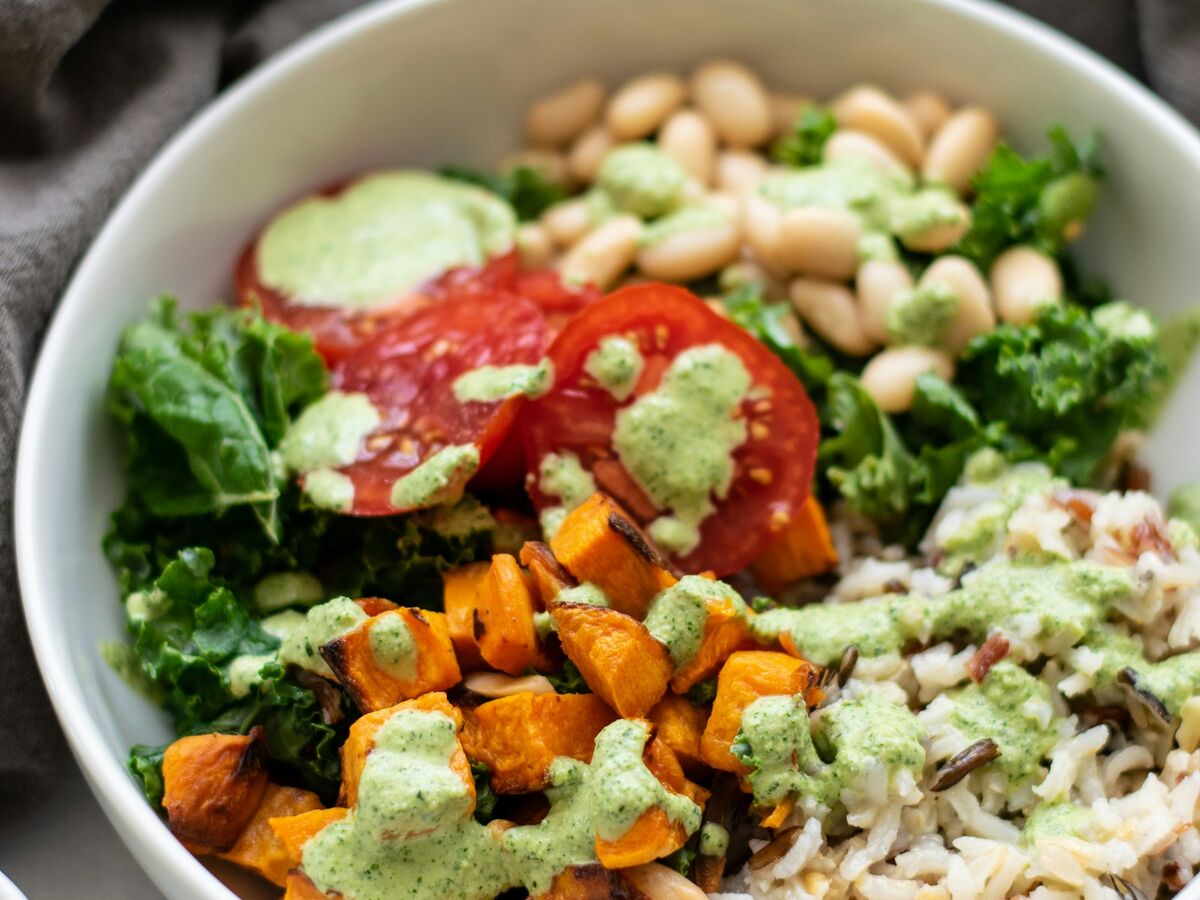
Eating better at home is usually a set of small changes to dishes you already like, not a new set of recipes. Change one thing at a time and work the numbers out again.
Skip
- A new diet and a new set of recipes
- Oil poured straight from the bottle
- Salt added until it tastes right
Do
- Add a can of beans or lentils to a soup, chili or pasta sauce
- Double the vegetables and cut the pasta or rice by a quarter
- Measure the oil
- Cut the salt by a third and finish with lemon or vinegar
Keep the changed recipe as a version next to the original, with a note of what you changed. If the family prefers the original on Fridays, both are there.
Where Forktales fits
Forktales can estimate nutrition for a recipe in your recipe box. From the ingredients and servings it works out calories, protein, carbs, fat, fiber, sugars and sodium for one serving, with a note on the biggest assumption it made, labelled as an estimate. It spends one credit. When the author changes the ingredients or servings and has a credit left, the estimate is worked out again and spends that credit. Forktales does not log what you eat or add up your day.