Tales · · 4 min read
How to ask a friend for their recipe, and actually get it
How to ask a friend for their recipe and actually get it: the best time to ask, the follow-up messages that work and the etiquette of a recipe request.
Part of the guide Cooking with friends
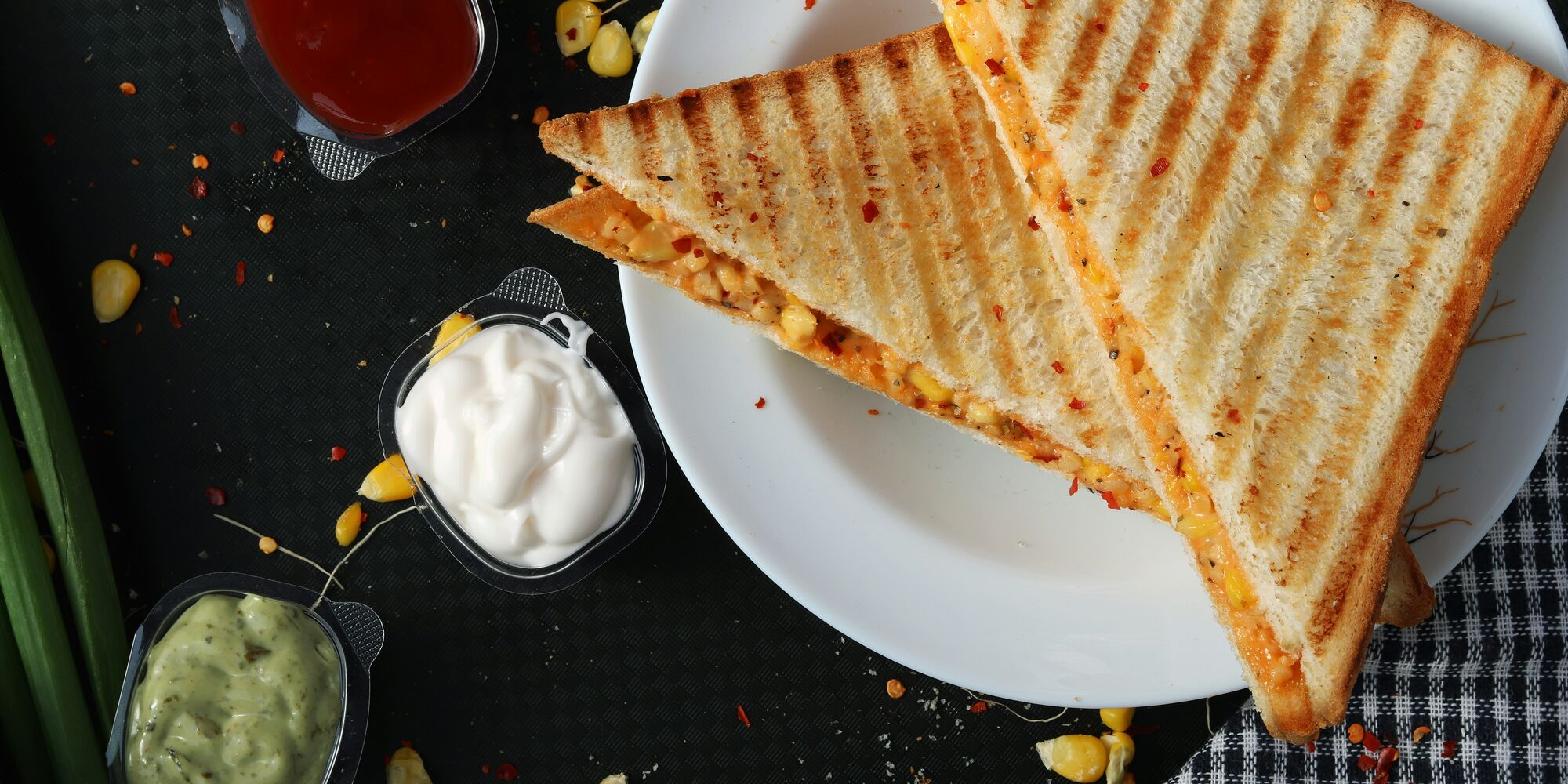
A friend puts a plate on the table, you take a bite, and before you have swallowed you are asking how they made it. They say they will send it. Sometimes they do. Mostly the request lives on as a message that reads “recipe??” and a reply that reads “yes!! will send”, and that is the end of it.
It is not that they do not want to share. Writing a recipe down is work, and a vague request is easy to put off. Ask so that the answer is a recipe, not a promise.
The best time to ask: while the plate is still on the table
The best time to ask is with your mouth full. The cook is right there, the dish is fresh in their mind and they are pleased you liked it. A request that arrives three days later, out of nowhere, has to compete with everything else in their week. A request at the table gets answered at the table, at least in outline: what is in it, roughly how it goes, the one thing that matters.
If you are the one with the notes app, open it and type as they talk. You will get a better recipe in two minutes of dictation than in a week of waiting.

Be specific about what you loved
“Can I have the recipe?” is flattering but not useful. “How did you get the sauce that thick without it going gluey?” tells them what to write down. It also tells them that you were paying attention, which is the part of the compliment that lands.
The specific question also gets you the part that is not in any written recipe: the trick. Most home recipes have one, and the cook does not think of it as a step. They think of it as the way you do it. Ask about the thing you noticed and you will hear it.
Make it easy for them to share
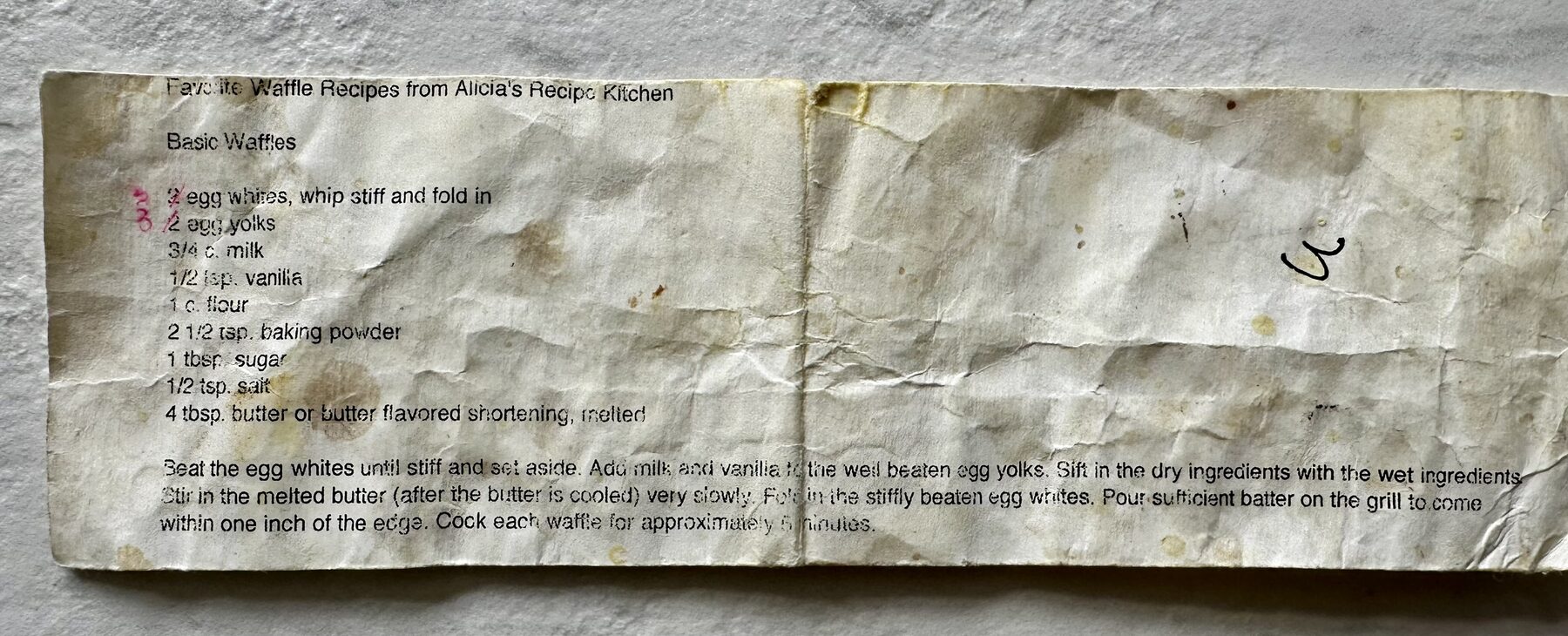
A recipe request is a small favour, so lower the cost of granting it. Offer to take the photo of the card yourself. Offer to write it up from what they tell you and send it back to them to check. If it came from a book, ask which book and what page. If it came from a website, a link is a full answer.
And say how you will use it. “I want to make it for my parents next weekend” gives the recipe somewhere to go, and a reason to send it before next weekend.
Follow up once, with a specific date
If it has not arrived, one reminder is fine. Two is nagging. Make the one reminder concrete: “Still hoping to make your dal on Saturday, could you send it by Friday?” A deadline that is your dinner plan is not pushy.
Recipe request messages that work
- Same evening. “Still thinking about that chicken. Would you send me the recipe when you get a minute? Even a photo of the card is perfect.”
- With the specific question. “How did you get the crust so crisp on the bottom? I want to try it this week and I know I'll get that part wrong.”
- The one follow-up. “Making it for the kids on Sunday. If you can send it by Saturday I'll report back with a photo.”
Close the loop by sharing your results
Everyone skips this step, and it is the one that makes the next ask easy. Cook the thing. Take a photo. Send it to them with what you changed and how it went. Cooks like seeing their recipe made in someone else's kitchen. A friend who reports back gets sent recipes without asking.
Where the recipes end up
Do all of that and you will have recipes from the people whose food you have eaten, which are the only recommendations worth having. The problem is where they go: a chat thread, a screenshot, a note titled “Sam's dal?”. In Forktales, a friend posts a plate, you ask for the recipe with one tap, they write it up once and it shows under Friends in your recipe box with their name on it, ready to cook from. It is friends only, so the ask goes to the cook and nowhere else.