Per-serving nutrition calculator for homemade recipes
Enter the ingredients of a recipe as they went into the pot, set the servings and read calories, protein, carbs, fat, fibre, sugars and sodium per serving. USDA values, no account, nothing saved.
A recipe nutrition calculator is three steps of arithmetic: grams of each ingredient, times its value per 100 g, divided by servings. The recipe nutrition guide shows the method by hand. This page does the sums.
The calculator
Per-serving nutrition calculator
Add each ingredient as it went into the pot. Grams are best; cups and spoons use the USDA weight for that ingredient.
80 g
258 g
118 g
456 g in the pot, 228 g a serving
285kcal
Calories
10g
Protein
47g
Carbs
7g
Fat
6g
Fibre
14g
Sugars
60mg
Sodium
Calories from
14% protein · 65% carbs · 22% fat
Per serving, rounded. Values from USDA FoodData Central per 100 g of the raw or dry ingredient. Nothing is saved or sent.
What to enter
1
One line per ingredient, as it went in
Raw meat, dry pasta, uncooked rice, the oil you fried in. If you drained the fat and poured it away, leave the oil line out or enter what was left.
2
Grams where you can
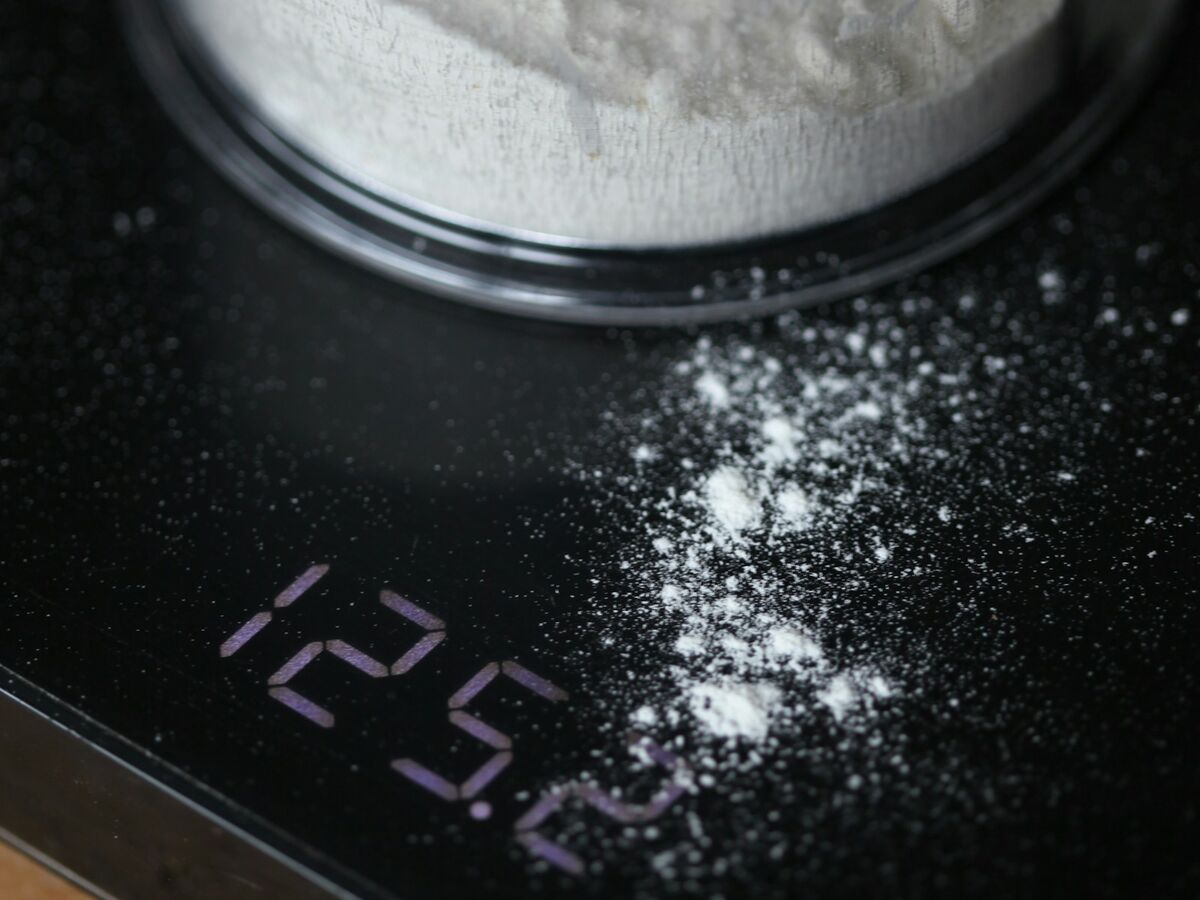
Put the bowl on a scale and press tare between ingredients. For things you cannot weigh after the fact, a cup, a spoon or a piece uses the USDA weight for that food.
3
Skip what does not count
Water, salt under a teaspoon, a bay leaf, pepper. They change the sodium line a little and nothing else.
4
Set the servings to what you actually serve
A recipe that says four and feeds three at your table is a three-serving recipe. Count the plates.
Where it goes wrong
Oil and butter
A tablespoon of oil is 120 calories, and the pour from a bottle is rarely a tablespoon. Weigh the pan before and after, or measure the oil into a spoon once and see what a pour looks like.
Cups of flour and rice
A scooped cup of flour weighs up to 150 g against the 125 g the database assumes. A cup of raw rice is 185 g; a cup of cooked rice is 158 g, most of it water. Enter the dry one.
A medium onion
Between 110 g and 200 g, depending on the onion. Enter grams or pick the size you had in mind and accept the spread.
The pot you did not weigh
For soups and stews the serving is a ladle, not a fraction. Weigh the full pot and your bowl once and the calculator’s per-serving figure becomes per gram.
Servings, and the pot
The calculator divides the whole recipe by the number you set. That works for a casserole cut into six or a loaf cut into ten. For a pot of soup, set the servings to one and read the total. Divide it by the grams in the pot to get calories per gram, then multiply by the weight of your bowl. The calculator shows the grams in the pot for that reason.
An ingredient that is not in the list
Skip
Leave it out
Pick something that sounds close
Do
Use the nearest food by type: another hard cheese for pecorino, another nut for hazelnuts, another white fish for cod.
For a packaged ingredient, read its label per 100 g and enter it as the nearest food at the weight that gives the same calories.
Note what you substituted, so the next person knows the figure is a guess.
The list holds the ingredients that make up most home cooking: flours and grains, sugars, fats and dairy, the common meats and fish, legumes, vegetables, fruit, nuts and the pantry. A dish built from those comes out close. One built from a jar of something will not, and the label on the jar is the better source.
Where Forktales fits
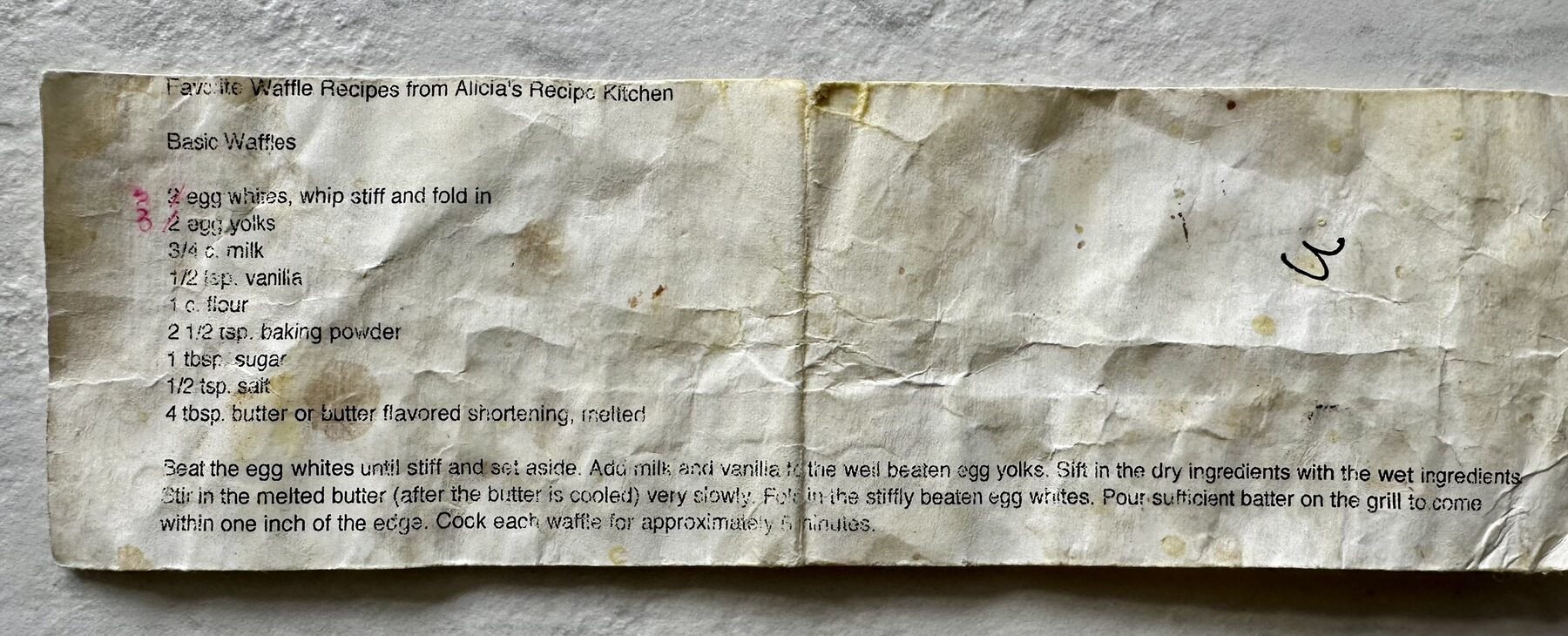
A recipe in your Forktales recipe box can carry a nutrition estimate per serving, worked out from its ingredient lines and labelled as an estimate. It spends one credit and sits on the recipe, so the figure is there the next time you cook it. The calculator on this page is the same arithmetic without the account. A recipe you scanned from a card gets the estimate the same way as one you typed.
Questions
How accurate is a recipe nutrition calculator?
As accurate as the inputs. The database values are averages for a food, and a cup of flour, a tablespoon of oil or a medium onion each vary by a quarter or more between kitchens. Weighed ingredients bring a home recipe close to a lab figure. Measured by the cup, the error is the cup’s, a quarter or more on flour.
Should I enter raw or cooked weights?
Raw or dry, as the ingredient went into the pot, and pick the raw or dry entry. Cooking changes the weight through water and fat, not the nutrients you put in. The one exception is fat you pour off, which you can subtract as a line of oil with a negative amount if you weighed it.
Where do the numbers come from?
USDA FoodData Central, per 100 g of each food, with the USDA household weight for a cup, a tablespoon or a piece. Health Canada’s Canadian Nutrient File gives figures within a few per cent for the same foods.
Does this calculator save my recipe?
No. It runs in your browser and sends nothing. Close the page and it is gone, so write the figures on the recipe before you do.
Can Forktales work this out for a saved recipe?
Yes. A recipe in Forktales can carry a nutrition estimate per serving, worked out from its ingredient lines by AI and labelled as an estimate. Each estimate spends one credit. The figures on this page are the same kind of estimate, done by hand.